

Mohamed Ali Mosque: A Historic Gem Inside Cairo Citadel
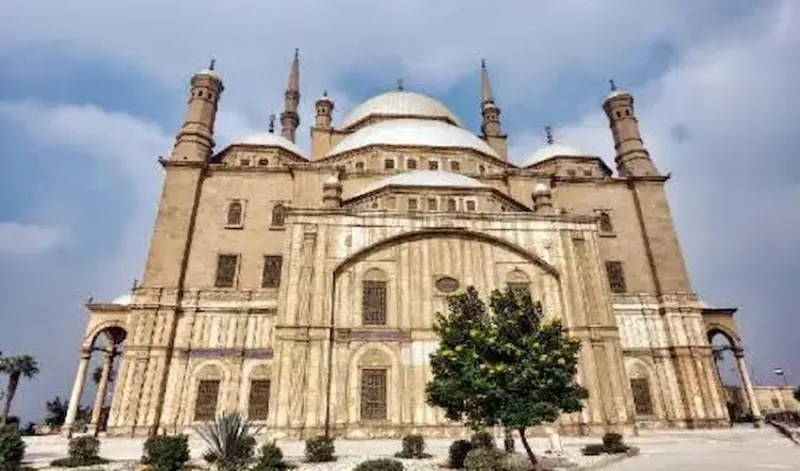
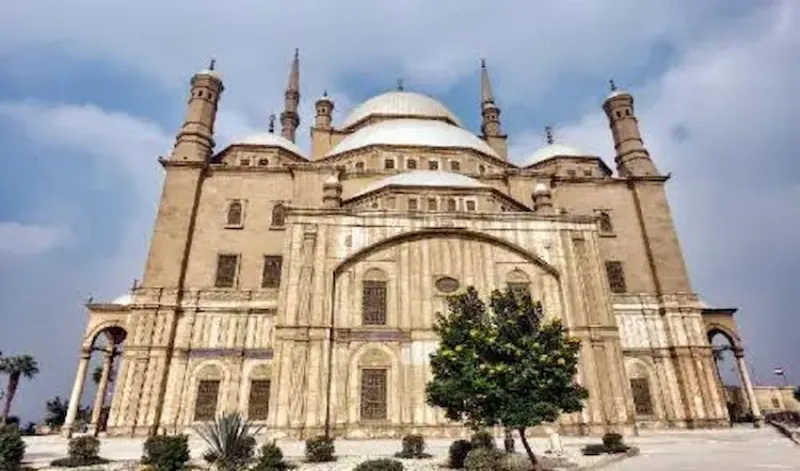
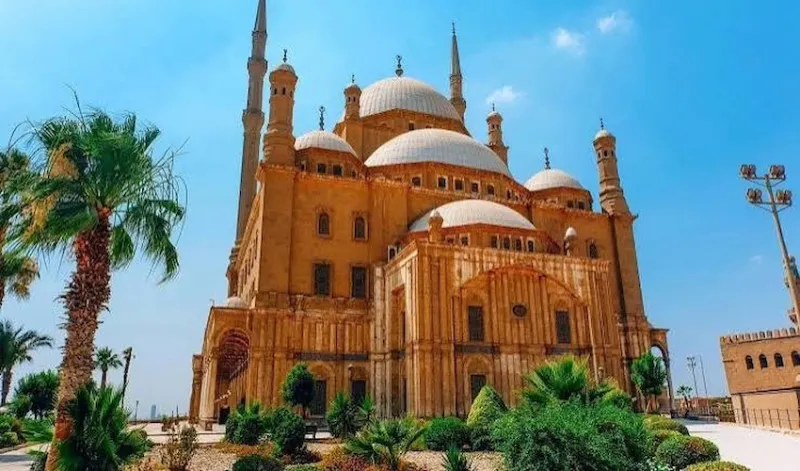
Rising above the historic Cairo Citadel, the Mohamed Ali Mosque is one of the most recognizable landmarks in Egypt. With its enormous central dome, elegant minarets, gleaming alabaster walls, and commanding views across Cairo, the mosque offers travelers a fascinating introduction to the city’s Ottoman architectural heritage.
Built during the 19th century, the Mohamed Ali Mosque was commissioned by Muhammad Ali Pasha and became one of the most distinctive monuments within the Citadel. Its impressive architecture and fascinating history make it an essential stop for travelers exploring Islamic Cairo.
Where Is the Mohamed Ali Mosque?
The Mohamed Ali Mosque stands inside the Citadel of Cairo, one of the city's historic fortified complexes. Its elevated position makes the mosque particularly striking, while the surrounding Citadel provides panoramic views across parts of Cairo.
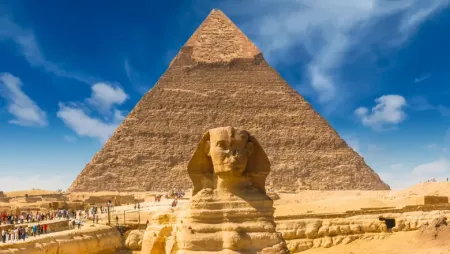
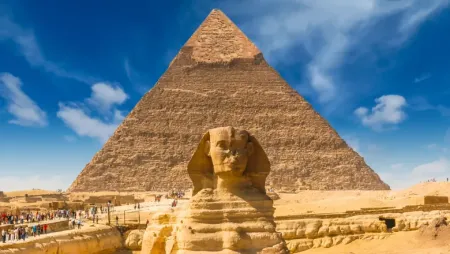
For visitors interested in history, architecture, and Egyptian culture, exploring the mosque alongside the Citadel creates an opportunity to discover a different side of Cairo beyond its ancient pyramids and pharaonic monuments.
The History Behind the Mohamed Ali Mosque
Construction began in the 1830s, with the foundation stone ceremonially laid in 1830. The main building work continued from 1832 until 1857. Muhammad Ali Pasha died in 1849, several years before the project was completed, and his son Ibrahim Pasha continued the work.
Muhammad Ali commissioned the mosque as both a place of worship and a lasting monument. The building was also intended to honor his son Tusun Pasha, who died in 1816.
The architectural design reflects the strong influence of Ottoman imperial mosques in Istanbul. Architects and craftsmen from Turkey were involved, giving the building a distinctive character that sets it apart from many of Cairo’s earlier Mamluk monuments.
Why Is It Called the Alabaster Mosque?
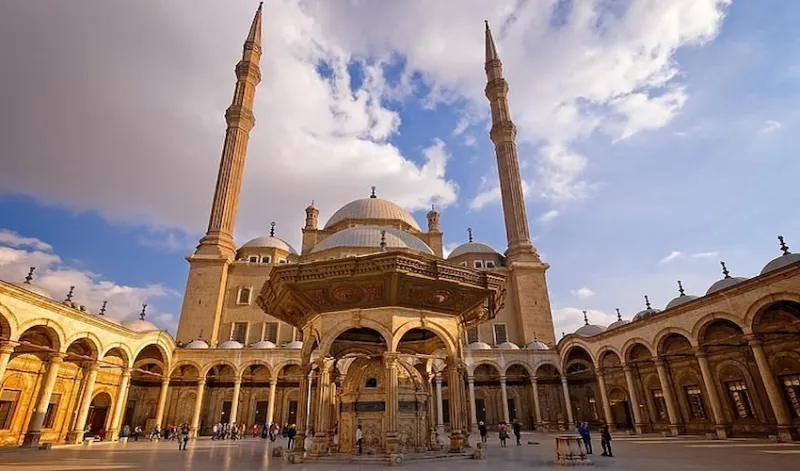
One of the first details visitors notice at the Mohamed Ali Mosque is the extensive use of alabaster. Although limestone forms the principal construction material, alabaster covers the lower sections of the interior and exterior walls as well as parts of the courtyard.
This distinctive stone gives the building its popular name, the Alabaster Mosque. When sunlight reaches the pale surfaces, the walls create an impressive visual effect that contributes greatly to the mosque's appearance.
The mosque of Muhammad Ali Pasha is therefore not only notable for its religious and historical significance but also for the material choices that define its visual identity.
The Magnificent Central Dome
The central dome is the architectural centerpiece of the Mohamed Ali Mosque. It rises approximately 52 meters above the ground and has a diameter of about 21 meters.
Large arches and massive piers support the main dome, while four semi-domes and smaller domes complement the overall composition. Together, these elements create the spacious and monumental appearance associated with classical Ottoman mosque architecture.
The scale becomes particularly impressive when viewed from the mosque's courtyard or prayer hall.
The Tall Ottoman Minarets
Two slender minarets rise approximately 82 meters above the mosque. Their elegant Ottoman-style forms and pointed caps contribute to the distinctive Cairo skyline.
For photographers and architecture enthusiasts, the contrast between the pale alabaster surfaces, towering minarets, and historic Citadel setting provides some of the most memorable views of the Mohamed Ali Mosque.
Discover the Mosque’s Interior
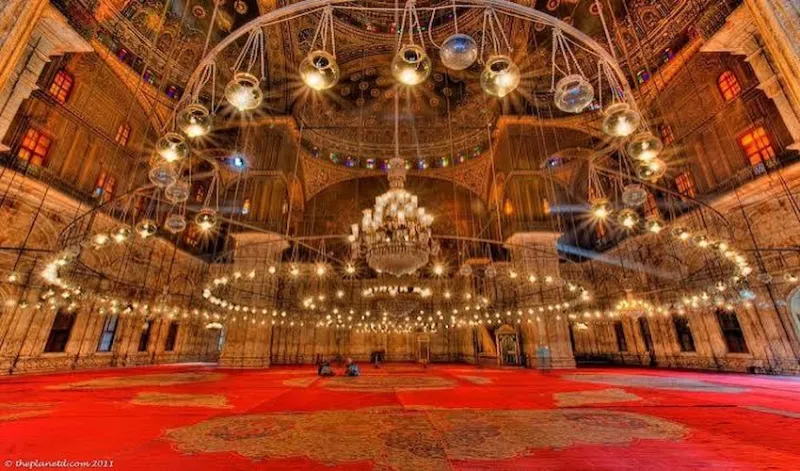
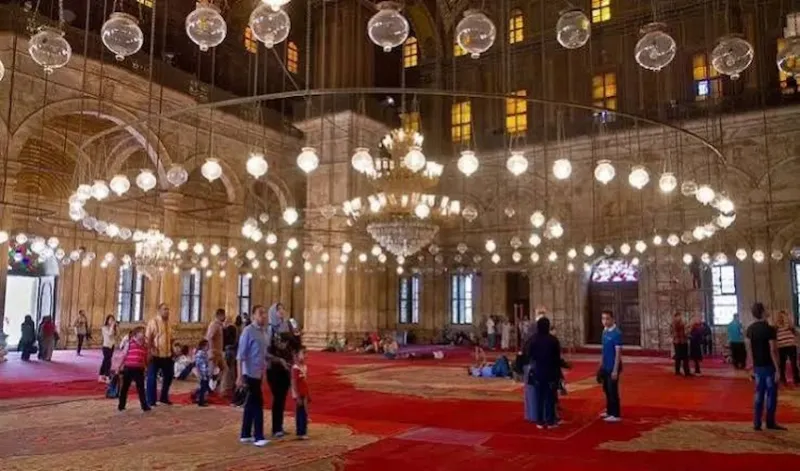
Stepping inside the Mohamed Ali Mosque reveals a richly decorated prayer hall beneath the monumental central dome. Visitors can observe inscriptions, decorative details, large arches, and the carefully designed interior spaces that reflect the building's Ottoman inspiration.
One unusual feature is the presence of two minbars, or pulpits. The original is decorated wood with gilded details and green elements, while a second marble minbar was presented during the reign of King Farouk in 1939.
The mosque also contains the tomb of Muhammad Ali. His white marble cenotaph is located beneath a small dome in the southwestern section of the building and is decorated with floral motifs and gilded inscriptions.
The Famous Clock Tower
Another fascinating detail is the clock tower positioned along the mosque's northwestern side. The clock was presented to Muhammad Ali by France in connection with Egypt's gift of an ancient obelisk to Paris. The obelisk remains at the Place de la Concorde today.
This connection between Cairo and Paris adds an interesting international dimension to the history of the Mohamed Ali Mosque and reflects the cultural exchanges surrounding Egypt during the 19th century.
The 1931 Restoration
The Mohamed Ali Mosque has also undergone significant preservation work. In 1931, serious structural problems affected the central dome and surrounding semi-domes. Specialists determined that extensive reconstruction was necessary.
The restoration required substantial structural reinforcement, including hundreds of tons of steel support. This major project helped preserve the mosque for future generations and ensured that one of Cairo's most recognizable monuments could continue to be appreciated by visitors.
Why Visit the Mohamed Ali Mosque?
A visit to the Mohamed Ali Mosque gives travelers the chance to experience an important chapter of Cairo's history through architecture, craftsmanship, religion, and cultural exchange.
During your visit, you can:
- Admire the enormous central dome and Ottoman-style minarets.
- See the distinctive alabaster wall coverings.
- Explore the mosque's impressive prayer hall and courtyard.
- Discover the tomb of Muhammad Ali.
- Learn about the mosque's connection to 19th-century Egyptian history.
- Enjoy views across Cairo from the Citadel.
- Combine the mosque with other historic attractions in Islamic Cairo.
For travelers visiting Egypt from the USA, the Mohamed Ali Mosque provides a memorable complement to a Cairo itinerary focused on the pyramids and ancient Egyptian sites. It introduces a later period of Egyptian history while showcasing an architectural style strongly influenced by the Ottoman world.
Experience the Mohamed Ali Mosque in Cairo
The Mohamed Ali Mosque is much more than an impressive building on Cairo's skyline. Its monumental dome, towering minarets, alabaster surfaces, Ottoman-inspired architecture, historic tomb, and connection to Muhammad Ali Pasha combine to create one of the city's most distinctive cultural landmarks.
Whether you are passionate about Islamic architecture, fascinated by Egyptian history, or simply looking for remarkable places to visit in Cairo, the Mohamed Ali Mosque deserves a place on your itinerary.
Add the Cairo Citadel to your Egypt travel plans and step inside this extraordinary monument to discover the architecture and history that have shaped one of Cairo's most recognizable landmarks.
Cairo Egypt: Top Attractions and the Best Things to See
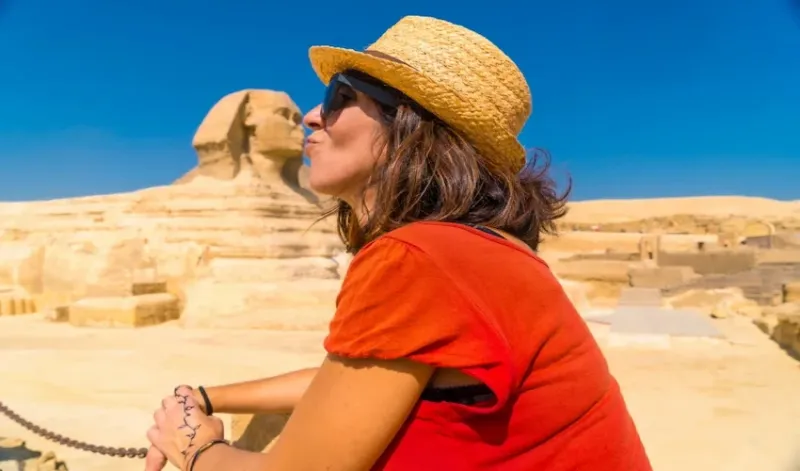
Discover Cairo Egypt and explore ancient pyramids, historic mosques, fascinating museums, lively bazaars, and the unforgettable attractions that bring the city’s rich history to life.
Al Muizz Street: Explore the Wonders of Old Cairo
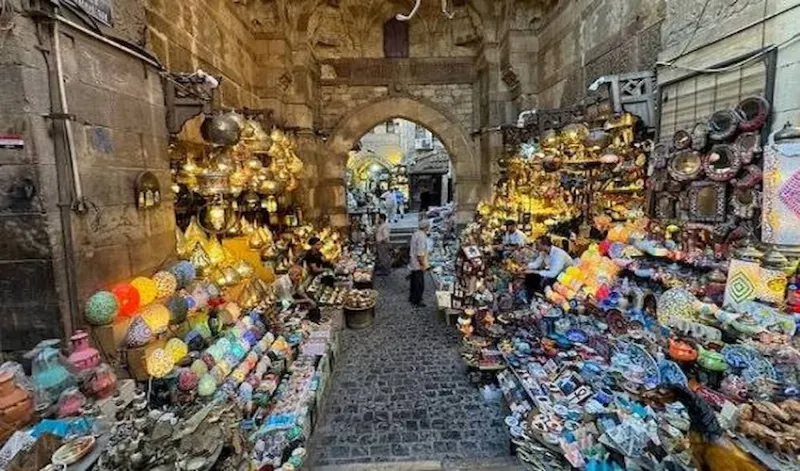
Discover al muizz street, the historic heart of Islamic Cairo, where ancient mosques, monumental gates, traditional markets, and centuries of Egyptian heritage come together.
Saqqara Pyramid: Explore One of Egypt’s Oldest Monuments
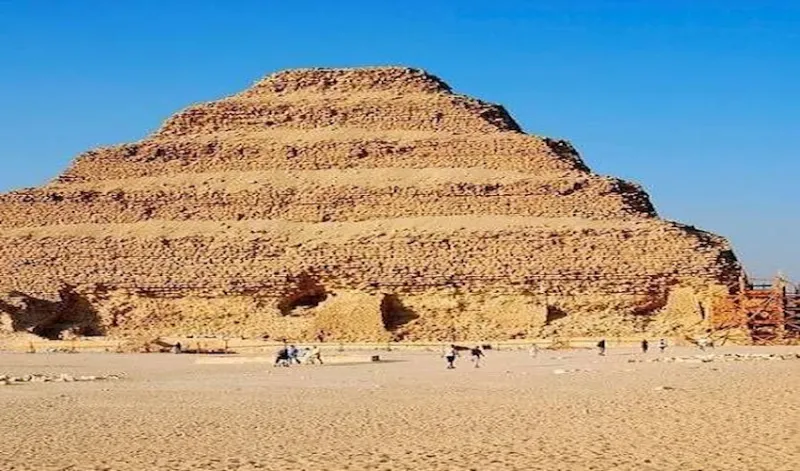
Discover the Saqqara Pyramid, the remarkable Step Pyramid of Djoser, and explore the ancient tombs, temples, and mysteries of Egypt’s historic necropolis.
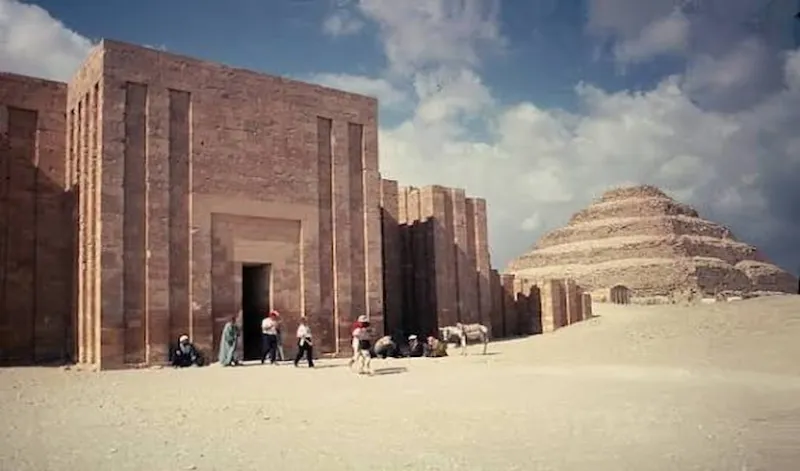
Step Pyramid of Zoser: Explore Egypt’s First Pyramid
Discover the step pyramid of zoser in Saqqara, an extraordinary ancient monument that reveals the origins of Egypt’s iconic pyramid architecture.
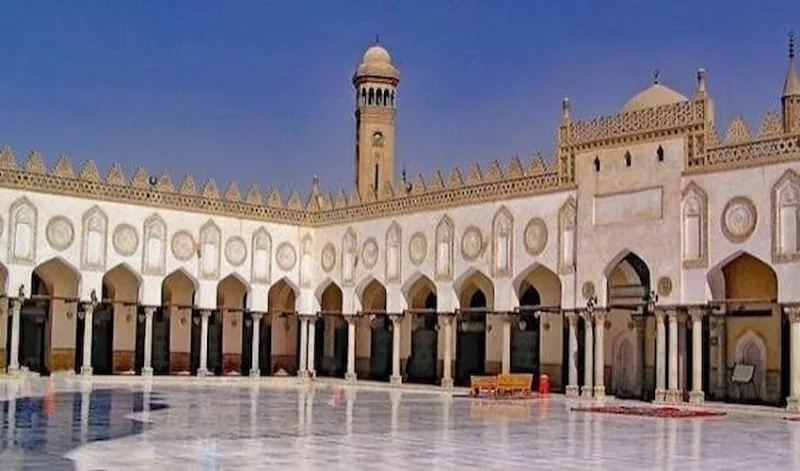
Al Azhar Mosque Cairo: Explore a Thousand Years of Islamic Heritage
Discover Al Azhar Mosque Cairo, a historic Fatimid landmark and renowned center of Islamic learning. Explore its beautiful architecture and rich heritage in the heart of Islamic Cairo.
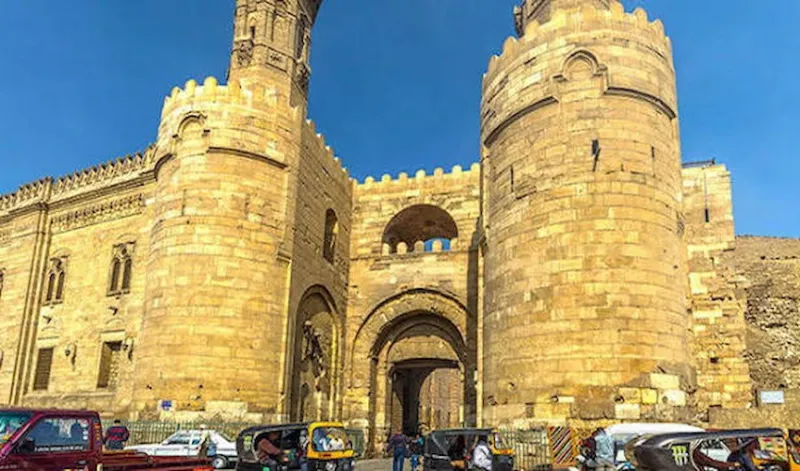
Bab Zuwayla: Discover One of Cairo’s Historic Fatimid Gates
Discover Bab Zuwayla, one of Cairo’s oldest Fatimid gates, and explore its fascinating medieval history, impressive architecture, and panoramic views over Historic Cairo.
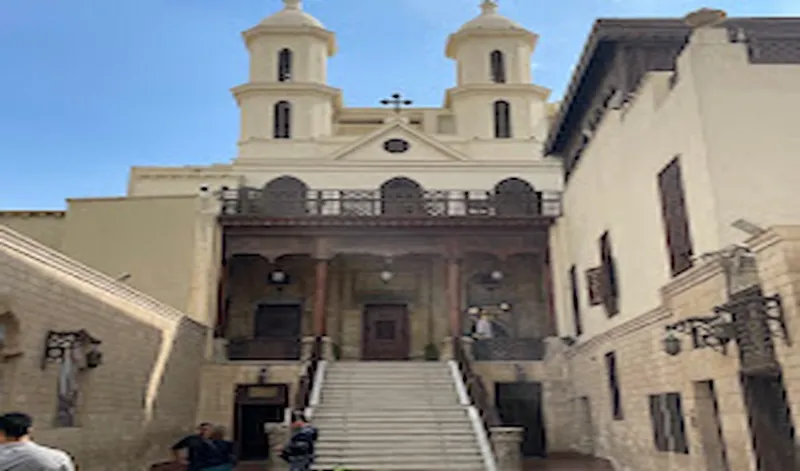
Hanging Church Old Cairo: Discover Egypt's Coptic Heritage
Discover the Hanging Church Old Cairo, a remarkable Coptic landmark built above the ancient Babylon Fortress, featuring beautiful architecture, historic icons, and centuries of religious heritage.
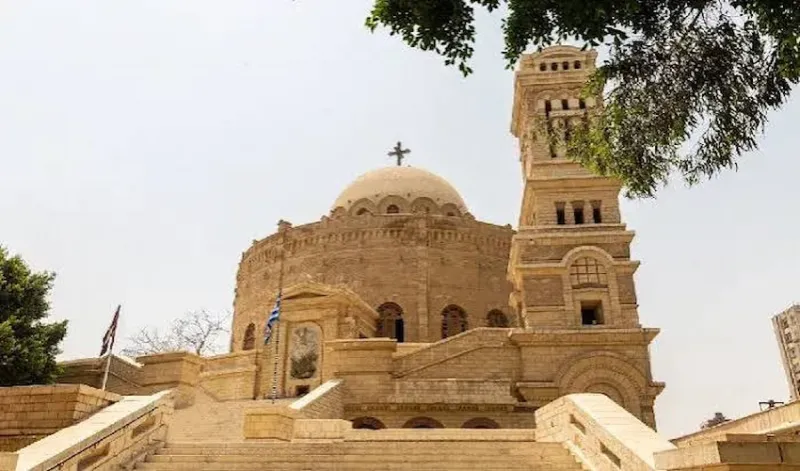
Church of St George Cairo: Discover a Historic Christian Landmark
Explore the Church of St George Cairo, a remarkable Greek Orthodox landmark in Old Cairo, celebrated for its circular architecture, religious icons, sacred relics, and fascinating Christian history.
Explore Saladin Citadel: Discover Cairo's Medieval Heritage
Explore Saladin Citadel in Cairo, a magnificent medieval fortress featuring the famous Alabaster Mosque, historic Islamic architecture, fascinating museums, and breathtaking panoramic views of the city.
special features
why choose Egypt Tours Way
Local Expertise, Global Standards
Tailor-Made Experiences
Real People, Real Care
Handpicked Guides & Comfortable Travel
Great Value for Money
Best Deals and Opportunities
our testimonials
Moments That Mattered – From Our Adventurers
Lindsey Hunt
Trip to Luxor and Aswan

Adam Hank
Pyramids
Peter Shaun
Siwa

Fleur Hartley
Sharm el-Sheikh

Luna & Liam Ming
Adventure
Sofia Rodrigez
Solo trip

Joseph Jordan
Highly recommend
The Greens, The Kovács, The Chens
Egypt
Mo Elakad
El Fayoum

Sarah Cameron
Saint Catherine and El Minya

Kevin Pierce
Egypt

FAQs