
Ramses II: Discover the Legacy of Egypt’s Great Pharaoh
21
Aug 2026
Ramses II: Discover the Legacy of Egypt’s Great Pharaoh
Few rulers left a mark on ancient Egypt as profound as Ramses II. Known for his long reign, ambitious building projects, military campaigns, and monumental statues, Ramses II became one of the most celebrated pharaohs of the New Kingdom. His legacy can still be experienced today at some of Egypt’s most remarkable archaeological sites.
Often remembered as Ramses the Great, he ruled Egypt for approximately 66 years during the 19th Dynasty. His reign was marked by major construction projects across the country, including temples, monuments, and colossal representations of the king. These achievements helped establish Ramses II as one of the most recognizable rulers in ancient Egyptian history.
Who Was Ramses II?
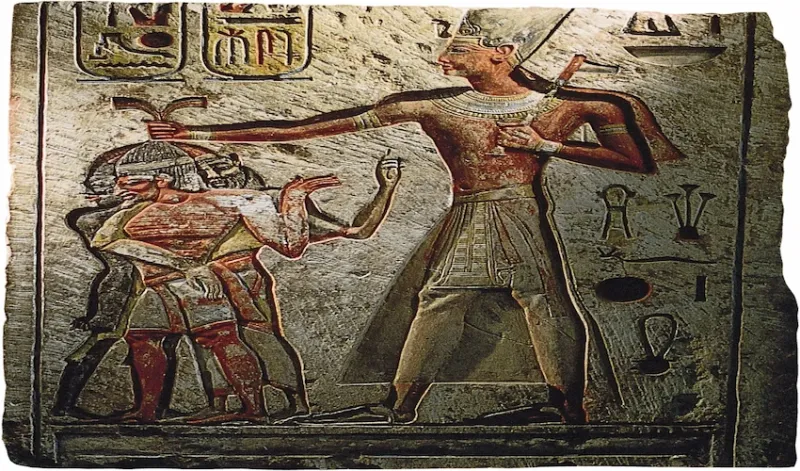
Ramses II became pharaoh around 1279 BC and ruled until approximately 1213 BC. During his reign, Egypt remained a powerful kingdom, and the pharaoh actively promoted his authority through architecture, inscriptions, and military achievements.
One of the most important events associated with Ramses II was the Battle of Kadesh against the Hittite Empire. The conflict became an important part of his royal image, with accounts of the battle appearing on several temple walls.
The Monuments of Ramses II
The legacy of Ramses II can be found throughout Egypt. He commissioned and expanded numerous monuments, many of which remain major attractions for travelers today.
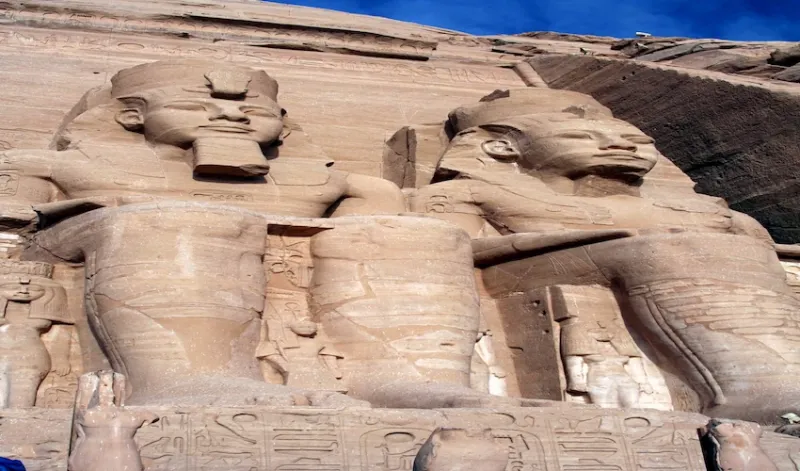
At Abu Simbel, two enormous rock-cut temples display the scale of his architectural ambitions. The larger temple is dedicated to the gods Amun, Ra-Horakhty, and Ptah, while the monumental façade features four colossal images of the pharaoh.
Visitors can also encounter representations of Ramses II at Luxor, Karnak, Memphis, and other historic locations. These monuments provide a fascinating insight into the way ancient Egyptian rulers used architecture to communicate power and divine association.
The King Ramses II Statue at Memphis
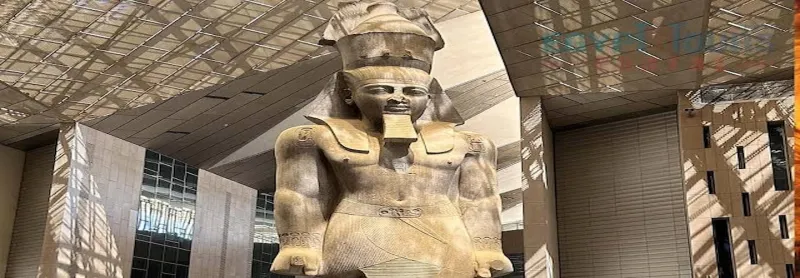
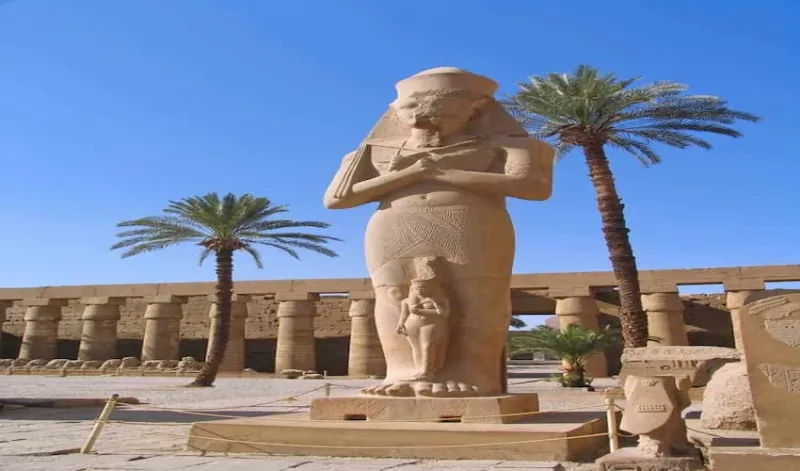
One of the most impressive surviving representations is the King Ramses ii Statue at the open-air museum in Memphis. The enormous limestone colossus shows the pharaoh in a traditional royal form and provides an extraordinary example of ancient Egyptian craftsmanship.
Although the statue is no longer standing upright, its enormous scale makes it an unforgettable sight for visitors interested in ancient Egypt.
Ramses 2 Facts You Should Know
These Ramses 2 Facts offer a quick introduction to one of Egypt’s most influential rulers:
- He ruled Egypt for approximately 66 years.
- He belonged to Egypt’s 19th Dynasty.
- He is commonly known as Ramses the Great.
- He commissioned major monuments, including the temples at Abu Simbel.
- His reign included the famous Battle of Kadesh.
- Numerous statues and inscriptions celebrating his reign survive across Egypt.
Why Explore the Legacy of Ramses II?
Following the story of Ramses II is an excellent way to understand the power, culture, religion, and artistic achievements of ancient Egypt. His monuments are not confined to one location, so travelers can encounter his legacy while exploring Cairo, Luxor, Memphis, and Abu Simbel.
For visitors from the United States planning an Egypt vacation, discovering Ramses II offers more than a history lesson. Standing before his colossal monuments and reading the inscriptions left by his civilization creates a direct connection with a world that existed thousands of years ago.
Add the monuments of Ramses II to your Egypt itinerary and experience the remarkable legacy of one of ancient Egypt’s most famous pharaohs.
special features
why choose Egypt Tours Way
Local Expertise, Global Standards
Tailor-Made Experiences
Real People, Real Care
Handpicked Guides & Comfortable Travel
Great Value for Money
Best Deals and Opportunities
our testimonials
Moments That Mattered – From Our Adventurers
Lindsey Hunt
Trip to Luxor and Aswan

Adam Hank
Pyramids
Peter Shaun
Siwa

Fleur Hartley
Sharm el-Sheikh

Luna & Liam Ming
Adventure
Sofia Rodrigez
Solo trip

Joseph Jordan
Highly recommend
The Greens, The Kovács, The Chens
Egypt
Mo Elakad
El Fayoum

Sarah Cameron
Saint Catherine and El Minya
Kevin Pierce
Egypt