
King Tutankhamun: Facts, Treasures & Egypt's Boy King
27
Aug 2026
King Tutankhamun: Facts, Treasures & Egypt's Boy King
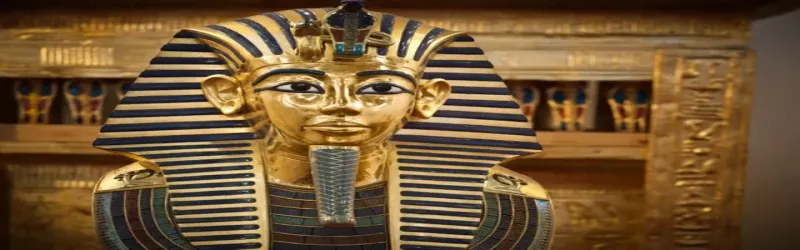
Few figures from ancient history continue to capture the imagination quite like King Tutankhamun. Although his reign was relatively short, King Tutankhamun became one of the most recognized pharaohs in the world after the discovery of his remarkably preserved tomb in Egypt’s Valley of the Kings.
For travelers fascinated by ancient Egypt, the story of King Tutankhamun offers much more than the famous golden mask. His tomb, discovered by archaeologist Howard Carter in 1922, contained thousands of objects that provided an extraordinary insight into royal life, religious beliefs, craftsmanship, and burial traditions during the New Kingdom.
Who Was King Tutankhamun?
King Tutankhamun, often known as King Tut, became pharaoh at a young age and ruled Egypt during the 18th Dynasty. He is believed to have died while still a teenager, yet his legacy became far greater than that of many rulers who reigned for decades.
One of the most important Facts about King Tut is that his fame today is largely connected to the exceptional discovery of his tomb. Unlike many royal tombs that were heavily robbed in antiquity, the burial of King Tutankhamun preserved an extraordinary collection of treasures, including jewelry, furniture, ceremonial objects, chariots, and personal belongings.
The Discovery That Changed Egyptology
In November 1922, Howard Carter and his team discovered the entrance to the tomb of King Tutankhamun in the Valley of the Kings. The discovery attracted worldwide attention and transformed public interest in ancient Egyptian civilization.
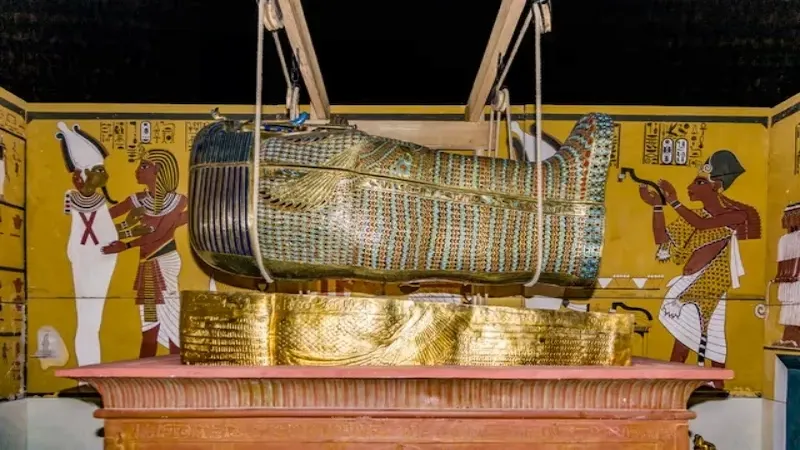
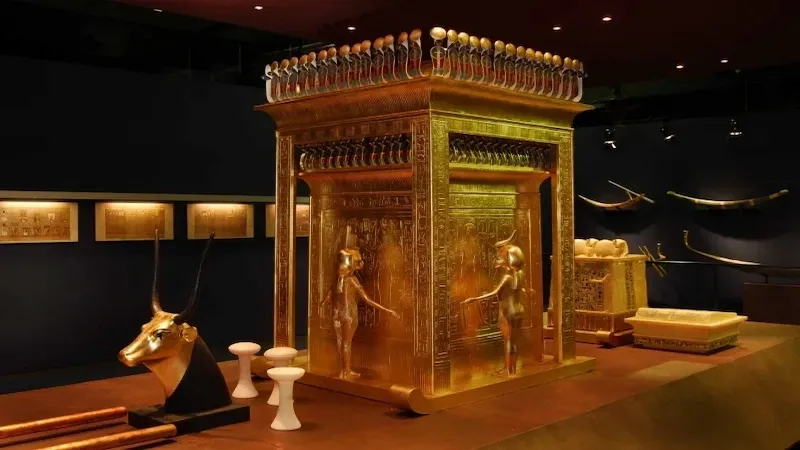
Inside the tomb were more than 5,000 artifacts associated with the young pharaoh's burial and journey into the afterlife. Among the most famous treasures were the golden funerary mask, nested coffins, gilded shrines, jewelry, furniture, and objects used in everyday life. These discoveries helped researchers gain a deeper understanding of royal customs during ancient Egypt's New Kingdom.
Fascinating Facts About King Tut
The story of King Tutankhamun is filled with remarkable details that continue to interest historians and travelers alike:
- King Tutankhamun became pharaoh at a very young age.
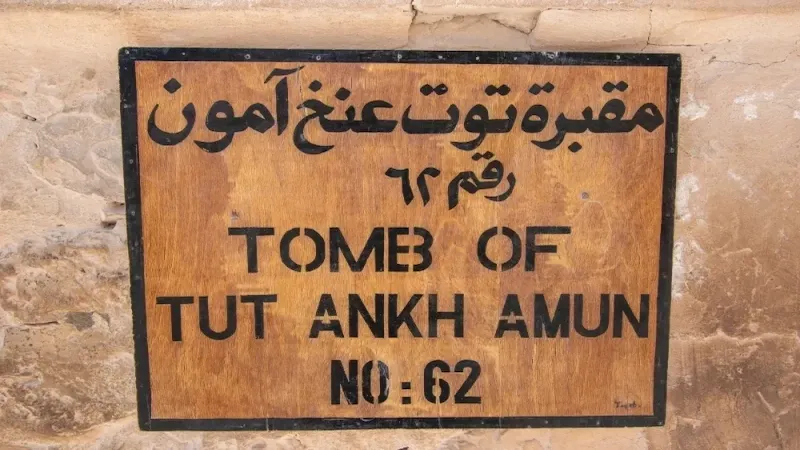
- His tomb is known as KV62 and is located in the Valley of the Kings.
- The famous discovery of his tomb was made in 1922 by Howard Carter.
- His burial included thousands of objects prepared for use in the afterlife.
- His iconic golden funerary mask became one of the world's most famous symbols of ancient Egypt.
- The discovery of his relatively intact tomb provided invaluable evidence about royal life and burial traditions.
These Facts about King Tut reveal why a young ruler with a relatively brief reign became one of the most famous names in archaeology.
King Tut Luxor: Visit the Pharaoh’s Original Resting Place
For travelers planning a journey through southern Egypt, the connection between King Tutankhamun and Luxor is essential. The tomb of the young pharaoh remains in the Valley of the Kings on Luxor's West Bank, allowing visitors to experience the original archaeological setting of his burial.
A King Tut Luxor experience gives travelers the opportunity to stand in the same royal necropolis where generations of New Kingdom pharaohs were buried. While many of the treasures associated with King Tutankhamun are displayed in Cairo, his mummy remains in his original tomb, KV62, in the Valley of the Kings.
Where Can You See King Tutankhamun's Treasures?
Today, the treasures of King Tutankhamun offer visitors an opportunity to explore the story of the boy king through an exceptional collection of artifacts. The complete Tutankhamun collection is now displayed together at the Grand Egyptian Museum, allowing visitors to follow a more complete narrative of his life, burial, and enduring legacy.
From magnificent goldwork and royal jewelry to chariots, ceremonial objects, clothing, and personal belongings, these artifacts show that King Tutankhamun was more than an archaeological icon. They provide a personal connection to a young ruler who lived more than 3,000 years ago.
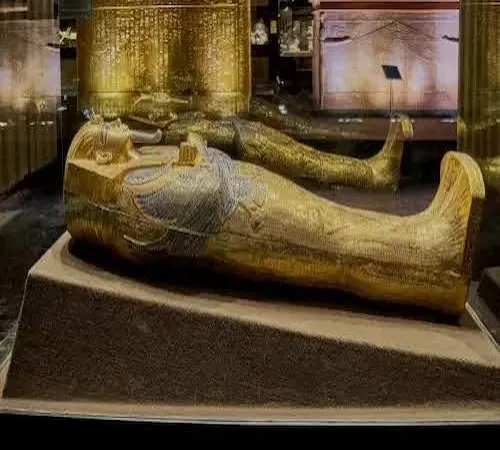
Why King Tutankhamun Still Fascinates the World
The enduring appeal of King Tutankhamun lies partly in the mystery surrounding his life and death, but also in the remarkable survival of his burial treasures. His tomb created an extraordinary connection between the modern world and ancient Egypt.
Whether you are passionate about archaeology, fascinated by pharaohs, or planning your first trip to Egypt, following the story of King Tutankhamun can add a deeper dimension to your journey. Visit the Grand Egyptian Museum in Cairo to explore his treasures, then travel south to Luxor and the Valley of the Kings to experience the original resting place of Egypt's legendary boy king.
From the golden treasures of Cairo to the ancient landscapes of King Tut Luxor, Egypt offers an unforgettable opportunity to follow the story of one of history's most fascinating pharaohs. Start planning your Egypt adventure and discover the remarkable world of King Tutankhamun for yourself.
special features
why choose Egypt Tours Way
Local Expertise, Global Standards
Tailor-Made Experiences
Real People, Real Care
Handpicked Guides & Comfortable Travel
Great Value for Money
Best Deals and Opportunities
our testimonials
Moments That Mattered – From Our Adventurers
Lindsey Hunt
Trip to Luxor and Aswan

Adam Hank
Pyramids
Peter Shaun
Siwa

Fleur Hartley
Sharm el-Sheikh

Luna & Liam Ming
Adventure
Sofia Rodrigez
Solo trip

Joseph Jordan
Highly recommend
The Greens, The Kovács, The Chens
Egypt
Mo Elakad
El Fayoum

Sarah Cameron
Saint Catherine and El Minya
Kevin Pierce
Egypt