
Nefertari: Discover the Beloved Queen of Ancient Egypt
23
Aug 2026
Nefertari: Discover the Beloved Queen of Ancient Egypt
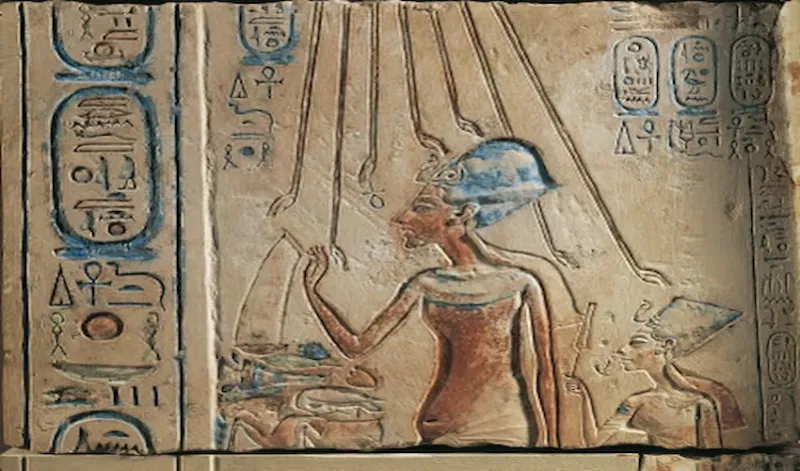
Few women from ancient Egypt have left behind a legacy as captivating as Nefertari. Known as the Great Royal Wife of Pharaoh Ramesses II, Nefertari lived during Egypt’s powerful 19th Dynasty and remains celebrated for her beauty, influence, and remarkable connection to religion and royal culture.
For travelers interested in ancient Egyptian history, discovering Nefertari means exploring some of Egypt’s most extraordinary archaeological treasures, from the beautifully decorated tombs of Luxor to the magnificent temples of Abu Simbel.
Who Was Nefertari?
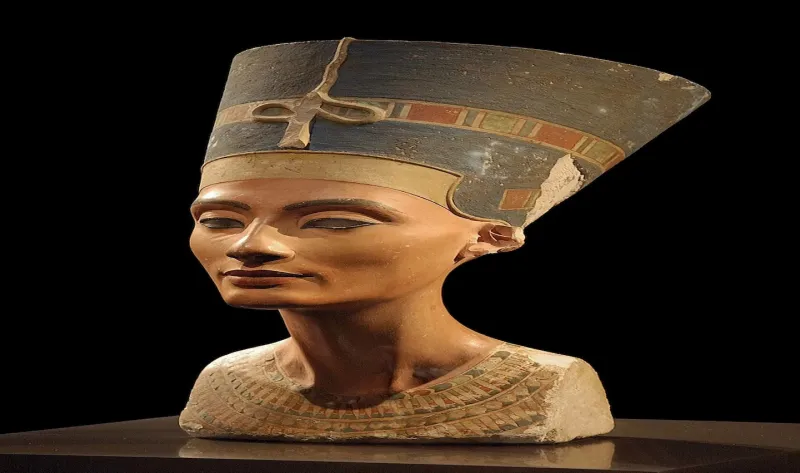
A common search is “Who Is Nefertiti?”, but Nefertiti and Nefertari were two different queens who lived during different periods of ancient Egyptian history. Nefertari was the beloved principal wife of Ramesses II, while Nefertiti was the famous queen associated with Pharaoh Akhenaten.
Nefertari lived during the 13th century BC and held an important position at the royal court. Historical evidence and surviving monuments suggest that she played significant religious and diplomatic roles and was highly respected by Ramesses II.
The Tomb of Nefertari in the Valley of the Queens
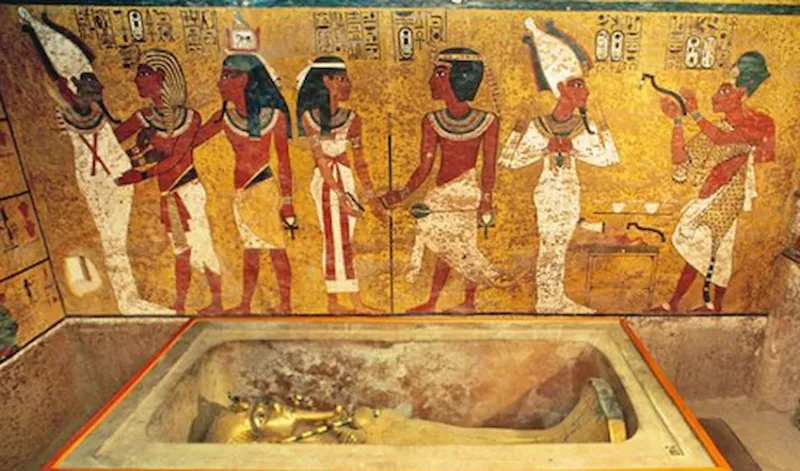
The most remarkable monument associated with Nefertari is her tomb, QV66, in the Valley of the Queens near Luxor. Its beautifully preserved wall paintings depict the queen with Egyptian deities and illustrate beliefs surrounding the journey to the afterlife.
The exceptional quality, vibrant colors, and detailed religious scenes make the tomb one of the finest examples of ancient Egyptian funerary art. Because the delicate paintings require careful preservation, access can be limited, making advance planning especially important.
Nefertari’s Temple at Abu Simbel
The legacy of Nefertari extends beyond Luxor. At Abu Simbel, Ramesses II commissioned a magnificent temple dedicated to Nefertari and the goddess Hathor.
The temple features monumental statues of Ramesses II and Queen Nefertari, giving her an extraordinary place within one of Egypt’s most famous archaeological landscapes. Visiting Abu Simbel offers travelers an opportunity to see how Ramesses II honored his queen through architecture, art, and religious symbolism.
Why Nefertari Still Captivates Travelers
The story of Nefertari is especially fascinating because her legacy can still be experienced through authentic monuments rather than simply read about in history books. Her tomb reveals the sophistication of Egyptian art, while her temple at Abu Simbel demonstrates the importance she held within the royal family.
A journey connected to Nefertari can also introduce travelers to the wider historical landscape of Luxor, including the Valley of the Queens, Karnak Temple, Luxor Temple, and the Valley of the Kings.
Plan Your Nefertari Journey
For visitors from the USA seeking a deeper Egypt experience, following the story of Nefertari offers a fascinating alternative to simply visiting the country’s most famous monuments. Explore her extraordinary tomb in Luxor, admire her temple at Abu Simbel, and discover the world of the New Kingdom through the places where her story remains visible.
Consider adding these destinations to a guided Egypt itinerary and let the legacy of Nefertari bring the history of ancient Egypt to life.
special features
why choose Egypt Tours Way
Local Expertise, Global Standards
Tailor-Made Experiences
Real People, Real Care
Handpicked Guides & Comfortable Travel
Great Value for Money
Best Deals and Opportunities
our testimonials
Moments That Mattered – From Our Adventurers
Lindsey Hunt
Trip to Luxor and Aswan

Adam Hank
Pyramids
Peter Shaun
Siwa

Fleur Hartley
Sharm el-Sheikh

Luna & Liam Ming
Adventure
Sofia Rodrigez
Solo trip

Joseph Jordan
Highly recommend
The Greens, The Kovács, The Chens
Egypt
Mo Elakad
El Fayoum

Sarah Cameron
Saint Catherine and El Minya
Kevin Pierce
Egypt