
Luxor Open Air Museum: Discover Egypt’s Living History
06
Jul 2025
Luxor Open Air Museum: Discover Egypt’s Living History
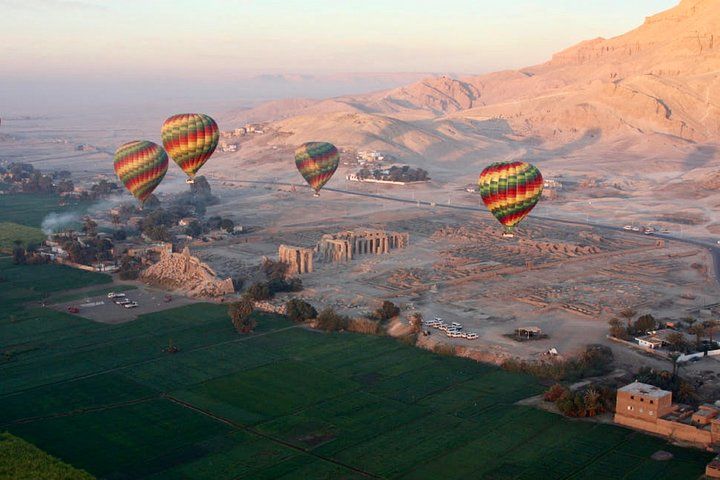
When travelers imagine visiting a museum, they often picture quiet galleries filled with artifacts displayed behind glass. But in Luxor, Egypt, history is experienced on a much larger scale. The entire city and its surrounding archaeological sites create an extraordinary luxor open air museum, where monumental temples, ancient tombs, colossal statues, and sacred landscapes tell the story of one of the world’s greatest civilizations.
Located on the banks of the Nile River, Luxor is one of the most important destinations for travelers interested in ancient Egypt. The city was once known as Waset by the ancient Egyptians and later became famous as Thebes. For centuries, it served as a major political, religious, and cultural center, leaving behind a remarkable collection of monuments that visitors can explore today.

Why Is Luxor Considered an Open-Air Museum?
Luxor is often described as the world’s greatest open-air museum because its historic treasures are not concentrated in a single building. Instead, ancient monuments are spread across both banks of the Nile, allowing visitors to experience Egypt’s past while exploring the original landscapes where these extraordinary structures were built.
A journey through the luxor open air museum can take you from enormous temple complexes on the East Bank to royal tombs and funerary monuments on the West Bank. Every location reveals another chapter of ancient Egyptian history, architecture, religion, and royal power.
Unlike a traditional museum, Luxor allows travelers to walk through ancient courtyards, stand beneath massive columns, admire hieroglyphic inscriptions, and see the same Nile landscapes that influenced Egyptian civilization for thousands of years.
Explore Luxor’s Historic East Bank
The East Bank of Luxor is home to some of the most impressive monuments in Egypt. This area was closely associated with religious ceremonies, royal celebrations, and the worship of powerful ancient deities.
Karnak Temple: A Monumental Religious Complex
No visit to the luxor open air museum would be complete without exploring the vast Karnak Temple complex. Developed over many centuries by successive pharaohs, Karnak became one of the most important religious centers in ancient Egypt.
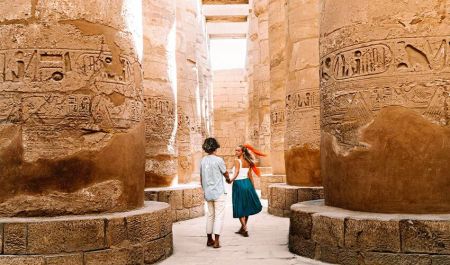
Visitors can explore monumental gateways, enormous courtyards, sacred areas, and the famous Great Hypostyle Hall, where towering columns create one of the most unforgettable sights in Egyptian archaeology. The scale of Karnak reflects the wealth, power, and religious devotion of the pharaohs who contributed to its construction.
Luxor Temple and the Legacy of the Pharaohs
Located near the modern city center, Luxor Temple offers another remarkable glimpse into the history of ancient Thebes. The temple was associated with royal ceremonies and was expanded by important rulers, including Amenhotep III, Tutankhamun, Horemheb, and Ramesses II.
Walking through the temple allows visitors to admire beautifully preserved columns, monumental statues, inscriptions, and architectural details that reveal the importance of religion and kingship in ancient Egypt.

Discover the West Bank of Luxor
Crossing the Nile takes travelers into another world. The West Bank is famous for its royal tombs and funerary monuments, making it one of the most fascinating areas within this extraordinary egyptian city open air museum.
Valley of the Kings
The Valley of the Kings is one of Luxor’s most famous archaeological sites. Hidden among the desert mountains, the valley contains the tombs of numerous New Kingdom pharaohs.
These underground tombs were decorated with colorful scenes and religious texts intended to guide the deceased rulers into the afterlife. The discovery of the tomb of King Tutankhamun made the valley famous around the world and added to its importance as one of Egypt’s most significant historical destinations.
Temple of Hatshepsut
The Mortuary Temple of Queen Hatshepsut is another highlight of any Luxor itinerary. Built against the dramatic cliffs of Deir el-Bahari, the temple is known for its distinctive terraces and impressive architectural design.
Hatshepsut was one of ancient Egypt’s most powerful female rulers, and her temple reflects her ambition, influence, and connection to the gods. Its location creates a breathtaking combination of ancient architecture and natural scenery.
The Colossi of Memnon
Standing near the modern road on Luxor’s West Bank, the Colossi of Memnon are two enormous stone statues representing Pharaoh Amenhotep III. These monumental figures once guarded the entrance to a vast mortuary temple.
Although much of the original complex has disappeared, the statues remain an impressive reminder of the immense scale of ancient Egyptian architecture.
Why Should You Visit the Luxor Open Air Museum?
A trip to Luxor offers far more than a simple sightseeing experience. It is an opportunity to connect with one of the oldest civilizations in human history while exploring authentic archaeological sites in their original surroundings.
The luxor open air museum is ideal for travelers who want to:
- Explore some of Egypt’s most famous temples and tombs.
- Learn about pharaohs, ancient religion, and Egyptian civilization.
- Discover the fascinating history of Thebes and Waset.
- Experience the contrast between the East and West Banks of the Nile.
- Photograph monumental architecture and ancient landscapes.
- Enjoy an unforgettable cultural experience during an Egypt vacation.
For visitors from the United States and around the world, Luxor provides an exceptional opportunity to experience history in a deeply immersive way. Instead of viewing ancient treasures only in a gallery, you can walk through the temples, valleys, and landscapes where thousands of years of history unfolded.
Plan Your Journey Through Egypt’s Living History
From the magnificent temples of Karnak and Luxor to the royal tombs of the Valley of the Kings and the dramatic Temple of Hatshepsut, Luxor offers an extraordinary journey through ancient Egypt.
This is why Luxor is widely regarded as the world’s greatest egypt open air museum. Its archaeological treasures are part of the landscape, creating an experience that combines education, adventure, culture, and discovery.
If you are planning an Egypt vacation, make sure Luxor is part of your itinerary. Explore the monuments, uncover the stories of the pharaohs, and experience the timeless wonders of this remarkable luxor open air museum for yourself.
special features
why choose Egypt Tours Way
Local Expertise, Global Standards
Tailor-Made Experiences
Real People, Real Care
Handpicked Guides & Comfortable Travel
Great Value for Money
Best Deals and Opportunities
our testimonials
Moments That Mattered – From Our Adventurers
Lindsey Hunt
Trip to Luxor and Aswan

Adam Hank
Pyramids
Peter Shaun
Siwa

Fleur Hartley
Sharm el-Sheikh

Luna & Liam Ming
Adventure
Sofia Rodrigez
Solo trip

Joseph Jordan
Highly recommend
The Greens, The Kovács, The Chens
Egypt
Mo Elakad
El Fayoum

Sarah Cameron
Saint Catherine and El Minya
Kevin Pierce
Egypt