

King Tutankhamun Tomb: Discover the Burial Place of Egypt’s Young Pharaoh
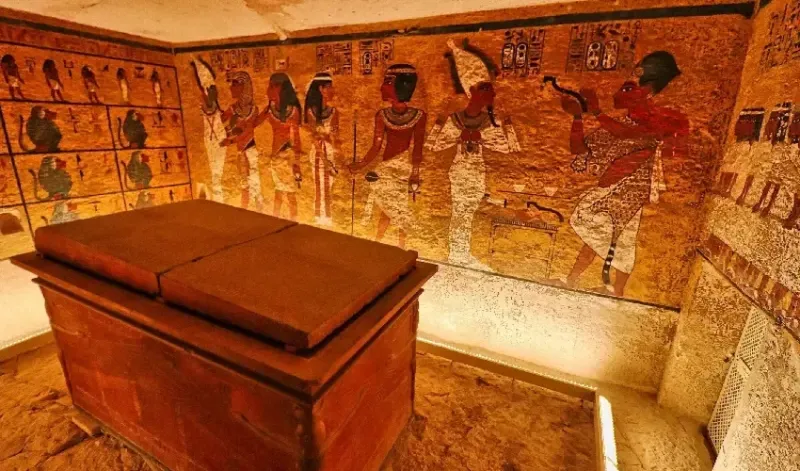
Few archaeological discoveries have captured the imagination of the world like the King Tutankhamun tomb in Egypt’s Valley of the Kings. Discovered by British archaeologist Howard Carter in 1922, the tomb revealed an extraordinary collection of more than 5,000 objects, offering an unparalleled glimpse into royal life, religion, craftsmanship, and burial traditions during ancient Egypt’s 18th Dynasty.
Today, visiting the King Tutankhamun tomb is an unforgettable experience for travelers exploring Luxor. The tomb is modest in size compared with many other royal burial sites, yet its remarkable preservation and historical importance make it one of the most fascinating attractions in the Valley of the Kings.
The Discovery of King Tutankhamun’s Tomb
On November 4, 1922, workers excavating in the Valley of the Kings uncovered a staircase hidden beneath the desert sands. Howard Carter soon realized that the steps led toward a sealed tomb associated with the young pharaoh Tutankhamun.
When Carter finally opened the entrance, he encountered a remarkable collection of gilded furniture, chariots, statues, jewelry, vessels, and other funerary objects. The discovery became one of the defining moments in modern archaeology and transformed Tutankhamun into one of the most recognizable pharaohs in history.
The excavation and documentation of the King Tutankhamun tomb took years because of the enormous number of artifacts found inside.
What Can You See Inside the Tomb?
The tomb consists of four principal areas: the antechamber, burial chamber, treasury, and annex. Each space served a different purpose in the preparation of the king for the afterlife.
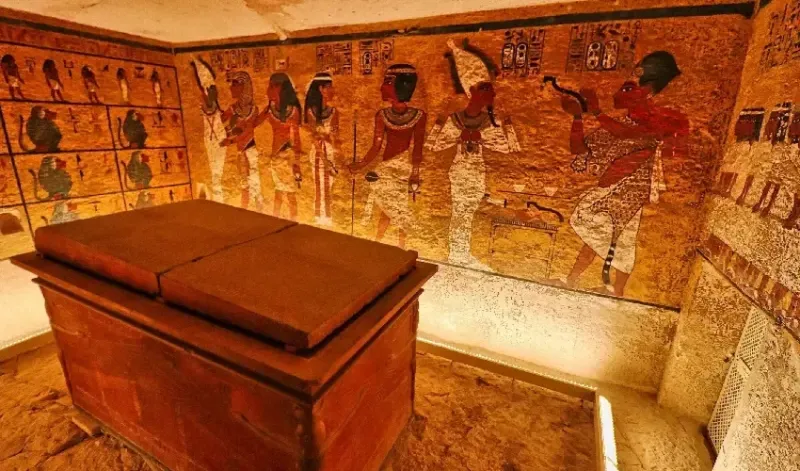
The burial chamber is the most important area for visitors. Its walls contain religious scenes connected with Tutankhamun's journey into the afterlife, while the chamber once contained several protective shrines surrounding the royal sarcophagus.
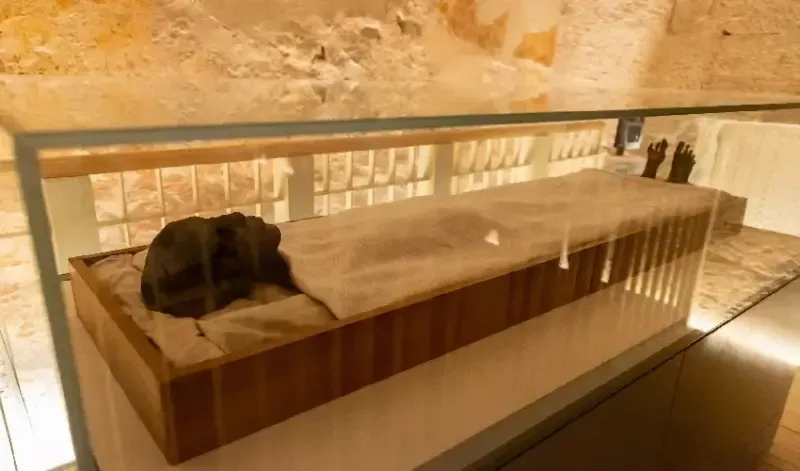
The burial chamber of King Tut also contained nested coffins, including the famous solid-gold inner coffin, as well as the mummy of the young pharaoh. The celebrated golden funerary mask, one of the most iconic objects associated with ancient Egypt, was also found with his burial.
Beyond the burial chamber, the treasury contained ritual objects, a canopic shrine, and a statue of Anubis, while the annex held thousands of everyday and funerary items.
Why Is the King Tutankhamun Tomb So Important?
The significance of the King Tutankhamun tomb goes far beyond its spectacular treasures. Because the burial remained relatively well preserved for more than 3,000 years, archaeologists gained an exceptional opportunity to study ancient Egyptian royal burial customs.
Artifacts discovered in the tomb reveal details about clothing, furniture, weapons, religious practices, transportation, food, and artistic traditions. Scientific research has also provided valuable information about Tutankhamun's health, family history, and burial.
The tomb's relatively small size is another fascinating feature. Evidence suggests that Tutankhamun died unexpectedly at a young age, meaning his burial may have been prepared under considerable time pressure.
Where Is King Tutankhamun’s Tomb?
The King Tut tomb location is within the Valley of the Kings on Luxor's west bank. This ancient necropolis was used as a royal burial ground during Egypt's New Kingdom and contains numerous tombs belonging to pharaohs and other important figures.
For travelers staying in Luxor, visiting Tutankhamun's tomb can easily be combined with other major West Bank attractions, including the tombs of other pharaohs, the Colossi of Memnon, and the Temple of Hatshepsut.
Experience Ancient Egypt in Person
Standing inside the King Tutankhamun tomb offers more than a chance to see an archaeological monument. It allows you to connect with one of the most famous stories in Egypt's history and understand why Tutankhamun's discovery continues to fascinate historians, archaeologists, and travelers from around the world.
If ancient Egyptian history is part of your Egypt vacation plans, add the Valley of the Kings to your Luxor itinerary and discover the remarkable story behind Tutankhamun's burial for yourself.
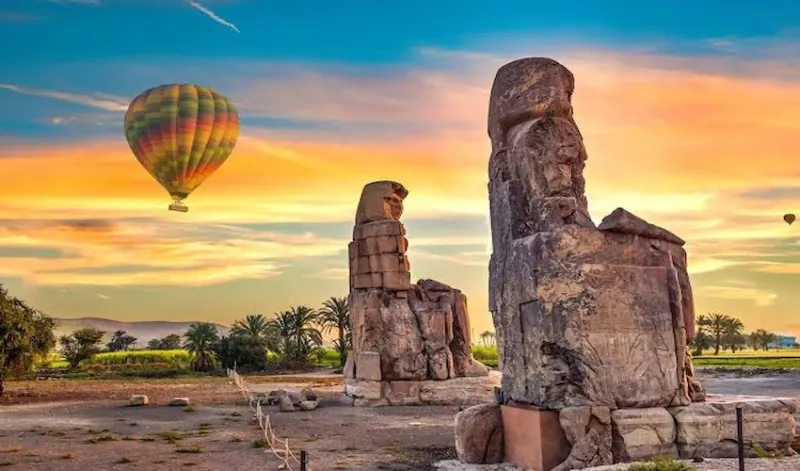
Colossi of Memnon: Discover Luxor’s Legendary Giant Statues
Discover the Colossi of Memnon, Luxor’s monumental statues of Pharaoh Amenhotep III, and uncover their fascinating history, ancient inscriptions, and legendary singing mystery.

Hot Air Balloon Ride in Luxor: See Ancient Egypt from Above
Experience a hot air balloon ride over Luxor at sunrise and enjoy breathtaking views of the Nile, Valley of the Kings, ancient temples, and the West Bank.
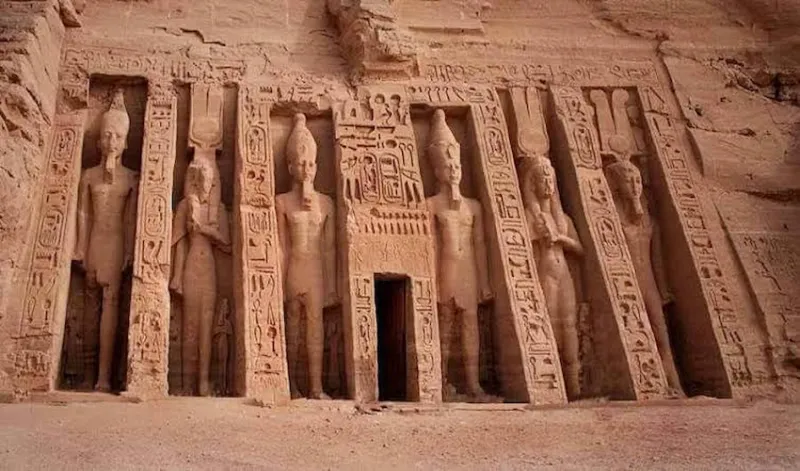
Valley of Queens: Discover the Royal Tombs of Ancient Egypt
Discover the Valley of Queens in Luxor, home to Queen Nefertari’s magnificent tomb and remarkable burial chambers revealing the history of ancient Egyptian royalty.
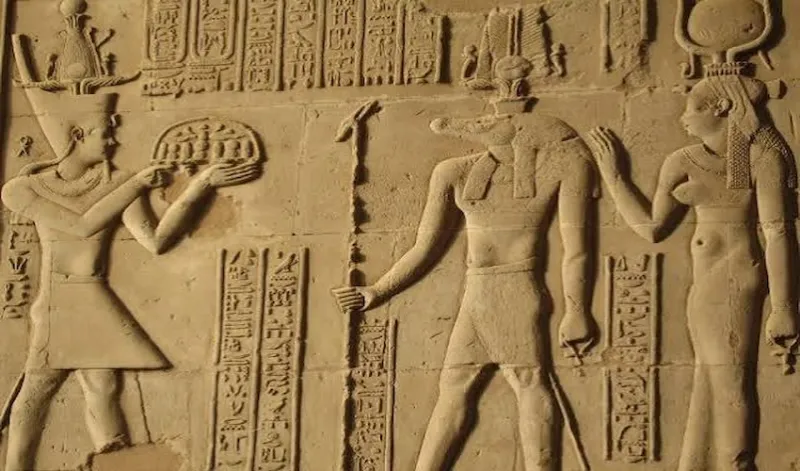
Discover Kom Ombo Temple: Egypt’s Remarkable Double Sanctuary
Discover Kom Ombo Temple near Aswan, Egypt, and explore its unique double sanctuary dedicated to Sobek and Horus, ancient carvings, fascinating history, and stunning Nile views.
special features
why choose Egypt Tours Way
Local Expertise, Global Standards
Tailor-Made Experiences
Real People, Real Care
Handpicked Guides & Comfortable Travel
Great Value for Money
Best Deals and Opportunities
our testimonials
Moments That Mattered – From Our Adventurers
Lindsey Hunt
Trip to Luxor and Aswan

Adam Hank
Pyramids
Peter Shaun
Siwa

Fleur Hartley
Sharm el-Sheikh

Luna & Liam Ming
Adventure
Sofia Rodrigez
Solo trip

Joseph Jordan
Highly recommend
The Greens, The Kovács, The Chens
Egypt
Mo Elakad
El Fayoum

Sarah Cameron
Saint Catherine and El Minya
Kevin Pierce
Egypt

FAQs