

Aswan to Abu Simbel Day Tour
Aswan to Abu Simbel Day Tour
$ 199 / per person
Duration
Type
Private
Runs
Everyday
Overview
Embarking on a private expedition from Aswan to Abu Simbel is widely considered the ultimate pilgrimage for any dedicated explorer of classical antiquity. This specialized, high-impact itinerary transports you south along the desert highway, tracing a direct path from Aswan to Abu Simbel to stand before the absolute pinnacle of New Kingdom rock-cut architecture. The central focus of this long-distance journey from Aswan to Abu Simbel is the monumental sacred precinct built by Pharaoh Ramses II in the 13th century B.C., designed strategically to project the immense power of the Egyptian empire over the southern lands of Nubia.
While arranging a localized Abu Simbel day tour from Aswan introduces you to the broader geopolitical history of the region, the actual experience of traveling from Aswan to Abu Simbel expands your understanding of human engineering. Standing at the edge of Lake Nasser after the long desert drive from Aswan to Abu Simbel, you are confronted by four gigantic, 20-meter-high seated statues of Ramses II that guard the entrance to a mountain sanctuary. The entire location tells a double story: one of ancient spiritual devotion and one of modern scientific preservation. By authorizing a private tour from Aswan to Abu Simbel, you can navigate the desert roads in absolute comfort, arriving ahead of the large commercial tour buses to enjoy a quiet, unhurried, and factually rich exploration of these massive inner halls. Led by a certified Egyptologist who interprets the dense battle reliefs and astronomical alignments, this premium overland trip to Abu Simbel ensures an unmatched encounter with the raw artistic genius and architectural majesty of Egypt's greatest pharaoh.
Included
-
Door-to-Door Logistics: Private pickup and drop-off services from your hotel or Nile cruise ship in Aswan for the entire duration of your trip.
-
Private Fleet Comfort: Continuous ground transit in a modern, non-smoking, air-conditioned deluxe vehicle dedicated entirely to your private journey.
-
Expert Narrative: One-on-one guidance from a professional, certified Egyptologist fluent in your choice of language (English, Portuguese, German, or Spanish) on your tour.
-
Pre-paid Admissions: Official entrance tickets and standard booking fees for both the Great Temple of Ramses II and the Temple of Nefertari included for your trip.
-
Hydration & Safety: Continuous access to ice-cold bottled mineral water and a complimentary bottle of alcohol sanitizer provided daily inside your private vehicle.
-
Regulatory Clearances: All local service charges, highway tolls, desert permit clearances, and standard government taxes are fully covered.
Excluded
-
Personal Media Permits: Optional premium passes required by the authorities for using specialized tripods or professional video equipment inside the mountain chambers.
-
Gastronomy: Personal meals, breakfasts, or selective afternoon dining unless requested as a custom add-on for your trip.
-
Gratuities: Discretionary tips for your private long-distance driver and your dedicated Egyptologist guide.
Itinerary
Early Morning Departure and Desert Highway Crossing
Your premium historical adventure begins with a prompt early morning pickup from your Aswan accommodation by your private driver and expert guide. Leaving the city behind, your exclusive, climate-controlled vehicle steers south onto the main desert highway, launching your long-awaited trip from Aswan to Abu Simbel. The drive covers a distance of approximately 280 kilometers across the vast, pristine expanses of the Libyan Desert, providing a serene and atmospheric start to your day.
During this comfortable transit from Aswan to Abu Simbel, the morning sun rises over the golden sands, casting a beautiful light across the desert landscape. Your certified guide will use this peaceful driving time to share foundational facts regarding the historical background of your journey from Aswan to Abu Simbel. You will learn how Ramses II, the third pharaoh of the Nineteenth Dynasty, chose this remote southern border region to construct his grandest monuments. The road from Aswan to Abu Simbel serves as a bridge through time, allowing your guide to explain how these temples were designed not only as places of worship but as powerful psychological statements meant to awe anyone entering Egypt from the south, setting a flawless factual stage for your arrival.
The Colossal Facade: Standing Before the Great Temple of Ramses II
Upon arriving at the archaeological site after your drive from Aswan to Abu Simbel, you will walk over a low hill to catch your first breathtaking view of the Great Temple. Factually carved directly into a solid sandstone cliff face between 1264 and 1244 B.C., the facade is dominated by four colossal, 20-meter-high seated statues of Ramses II, each wearing the double crown of unified Upper and Lower Egypt. Your guide will point out the intricate details surrounding these giant figures, including the smaller statues carved at their feet representing the pharaoh's mother, Queen Mut-Tuy, and his beloved chief wife, Nefertari.
As you stand before this towering structure at the end of your trip from Aswan to Abu Simbel, your guide will explain the astonishing astronomical alignment engineered by ancient priests. Factually, the temple was oriented so precisely that twice a year—on February 22 (the pharaoh's ascension to the throne) and October 22 (his birthday)—the rays of the rising sun penetrate deep into the mountain, traveling 60 meters down the central axis to brilliantly illuminate the statues in the innermost sanctuary, a remarkable feat of ancient mathematics and cosmic planning that highlights this segment of your tour from Aswan to Abu Simbel.
The Inner Sanctuary: Deciphering the Battle of Kadesh Reliefs
Stepping through the grand entrance of the Great Temple, your Aswan to Abu Simbel tour moves into the magnificent Hypostyle Hall. This inner chamber features eight massive columns carved in the likeness of the god Osiris, bearing the facial features of Ramses II to symbolize his divine nature. Your guide will lead you along the walls, providing an expert explanation of the dense, detailed reliefs that cover the stone surfaces.
Factually, these carvings depict the famous Battle of Kadesh fought in 1274 B.C. against the Hittite Empire. Your guide will interpret the dynamic scenes showing Ramses II charging into battle on his war chariot, firing arrows at his enemies, and holding council with his military generals. Moving further into the mountain, you will enter the smaller pillared hall and finally the holy of holies. Here, you will see the four sacred statues carved into the back wall: Ptah, Amun-Ra, the deified Ramses II, and Ra-Horakhty. Your guide will explain the deep theological meaning behind these figures, detailing how the sun alignment factually leaves the statue of Ptah (the god of the underworld) in shadow while bathing the other three rulers in golden light, providing a deeply immersive historical experience on your trip from Aswan to Abu Simbel.
The Temple of Nefertari: A Monument to Love and Devotion
Just a short walk from the Great Temple, the second major destination on your journey from Aswan to Abu Simbel is the beautiful Small Temple of Hathor and Queen Nefertari. Factually constructed simultaneously with the larger monument, this temple stands completely unique in ancient Egyptian history. Your guide will explain the extraordinary factual significance of its facade: it marks one of the rare instances where the statues of a queen are carved to the exact same scale as those of the pharaoh himself, standing 10 meters high to show the immense respect Ramses II held for his wife.
You will step inside the temple to view the elegant columns topped with the beautifully carved heads of the goddess Hathor. The wall reliefs here present a complete contrast to the military scenes in the Great Temple; they focus on themes of divine love, fertility, and royal coronation. Your Aswan to Abu Simbel guide will show you scenes of Queen Nefertari being crowned by the goddesses Isis and Hathor, and playing traditional musical instruments before the deities. Exploring this graceful sanctuary adds a wonderful balance to your trip from Aswan to Abu Simbel, illustrating the soft, poetic artistic styles that existed alongside the grand architectural projects of the New Kingdom.
The UNESCO Salvage History and Return Desert Transit
To conclude the historical observation portion of your trip from Aswan to Abu Simbel, your guide will escort you toward the lake overlook to explain the monumental UNESCO salvage project. Factually, during the 1960s, the construction of the Aswan High Dam threatened to submerge these priceless temples beneath the rising waters of Lake Nasser. In a remarkable global effort between 1964 and 1968, an international team of engineers systematically cut the entire mountain complex into over 10,000 massive blocks, weighing up to 30 tons each, and rebuilt them 65 meters higher and 200 meters back on an artificial concrete dome.
This modern engineering miracle ensures that your journey from Aswan to Abu Simbel remains possible today. Once your exploration concludes, you can enjoy a fresh bottle of mineral water before stepping back into your private, air-conditioned vehicle. The comfortable return transit across the desert allows you to relax, edit your landscape photos, and review the incredible facts you gathered. Your private driver will deliver you smoothly back to your hotel lobby or cruise ship in Aswan, marking the official completion of a definitive private tour from Aswan to Abu Simbel.
Prices
Notes
Private
$ 95
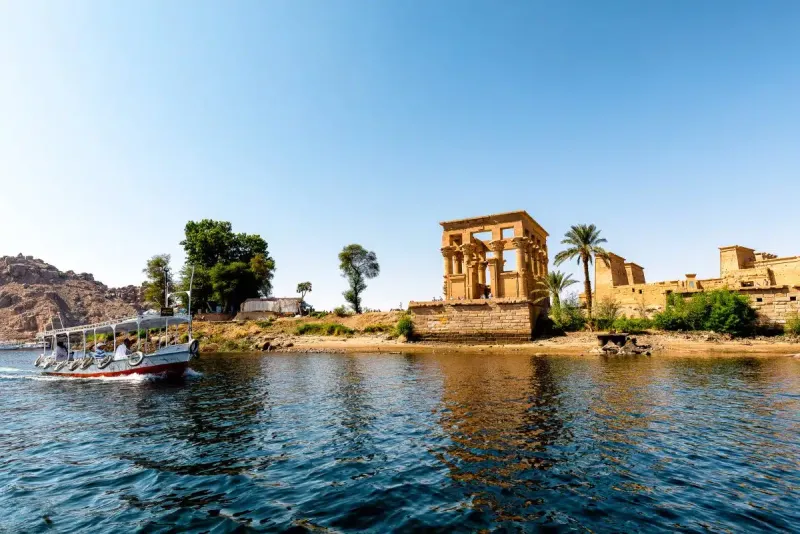
High Dam and Philae Temple Excursion
An elite day journey to the high dam and Philae temple stands as the definitive exploration of human ingenuity across the centuries in southern Egypt.
Private
$ 95
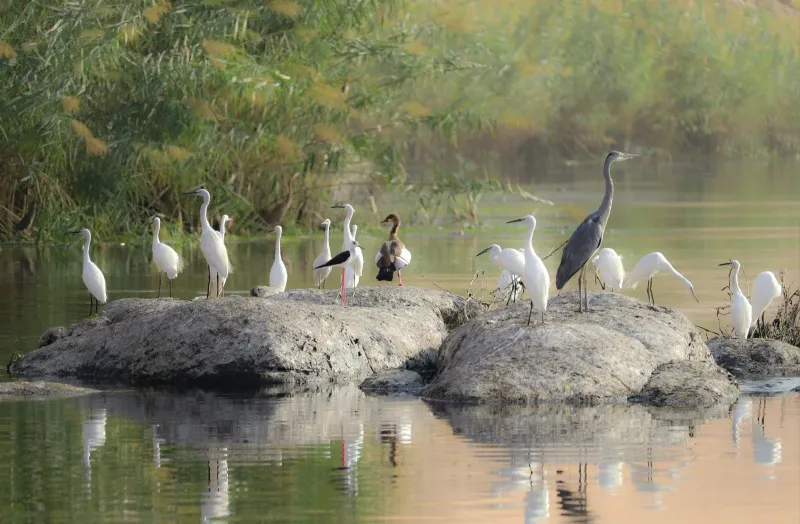
Bird Watching Tour Along the Nile in Aswan
An elite bird watching tour in Aswan offers an unparalleled opportunity to explore the rich avian diversity of the Nile River Valley. This private ecotourism excursion takes you through lush island ecosystems, protected nature reserves, and the surrounding desert margins.
Private
Private
$ 80
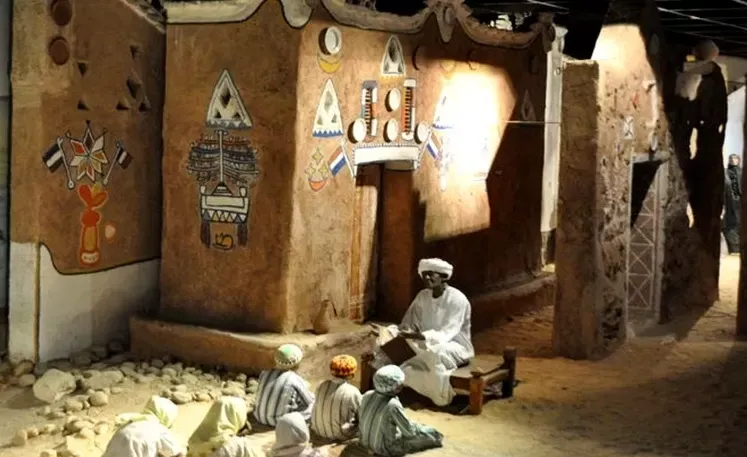
Nubian Museum Excursion
An exclusive private excursion to the Nubian museum offers an unparalleled opportunity to discover the rich cultural heritage and historical legacy of Nubia. This private tour provides an evidence-backed exploration of ancient treasures.
Private
$ 80
Private
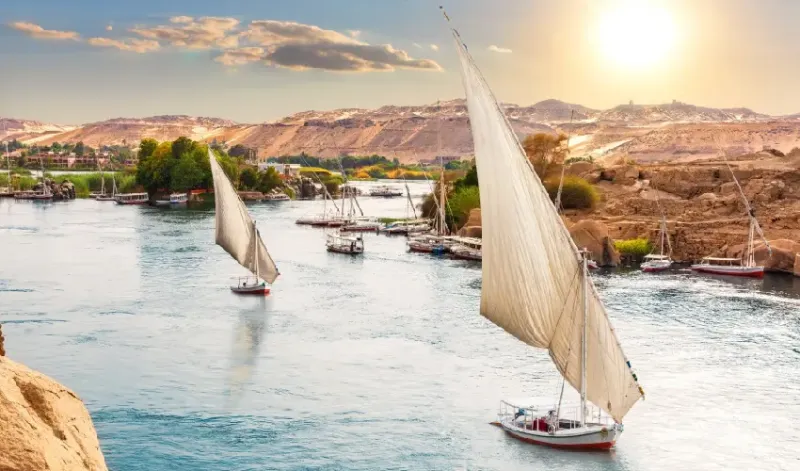
Felucca Ride in Aswan
A private felucca ride in Aswan provides travelers with a classic, peaceful sailing excursion along the Nile River. This journey uses a traditional wooden sailboat to navigate the granite channels of the First Cataract.
Private
Private
$ 70
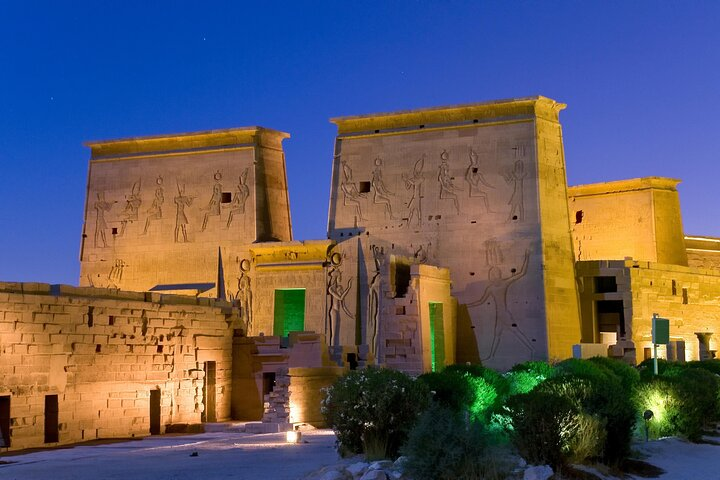
Philae Temple Sound and Light Show Excursion
Attending the official Philae temple sound and light show is the most captivating evening experience available for travelers in southern Egypt. This private night excursion utilizes multimedia narration, dramatic laser projections, and symphonic music.
Private
$ 70
Private
$ 165
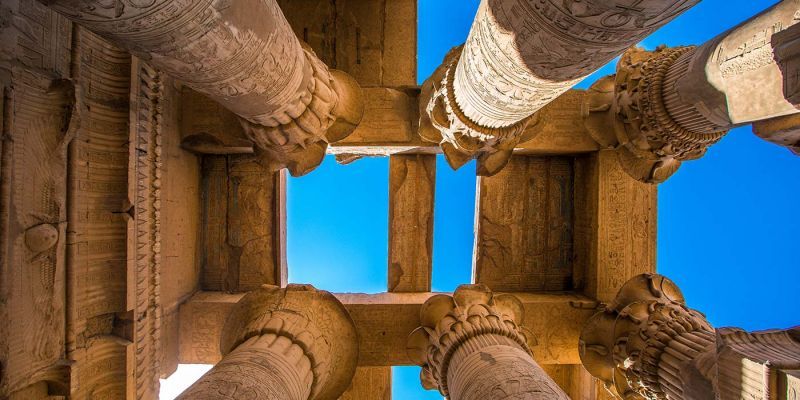
Aswan to Kom Ombo and Edfu Temple Day Tour
An overland private day trip tracking Aswan to Kom Ombo and forward Aswan to Edfu serves as the definitive exploration of the architectural masterpieces of the Ptolemaic Kingdom.
Private
$ 165
Private
$ 299
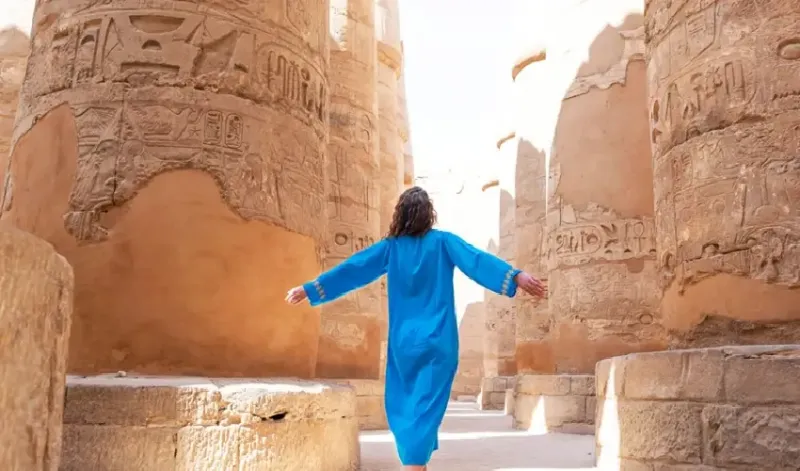
Tour Aswan to Luxor Day Trip
An overland private day trip tracking a tour Aswan to Luxor provides a journey through the heart of the Theban Kingdom. This excursion enables travelers to journey directly from southern Egypt northward to experience the world's greatest open-air museum.
Private
$ 299
Private
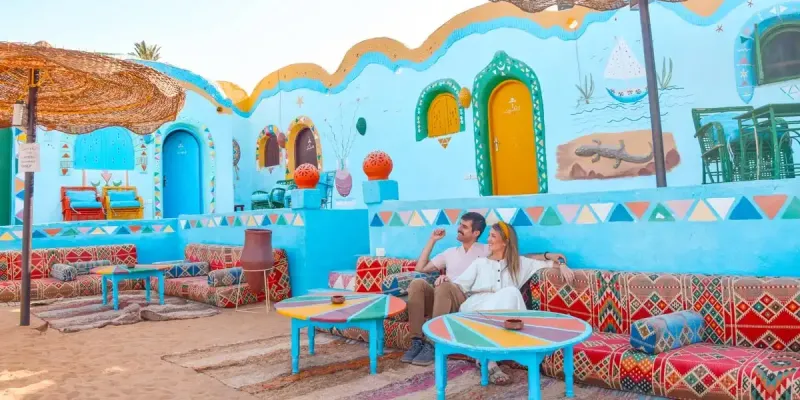
Nubian Village Excursion
An elite private journey to a traditional Nubian village offers an immersive cultural escape into the vibrant heritage of Egypt’s deep south. This custom Nubian village tour trades the ancient stone monuments of Pharaohs for the living, breathing traditions of the Nubian people.
Private
Private
$ 145
Kalabsha Temple & Nubian Museum Day Trip
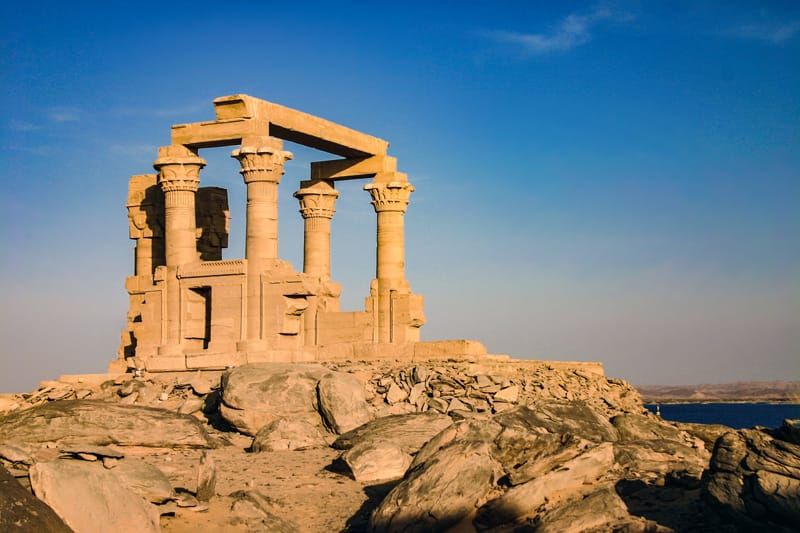
This journey provides an evidence-backed exploration of two foundational institutions: the monumental freestanding Roman-era sanctuary of Kalabsha temple on New Kalabsha Island and the state-of-the-art exhibition wings of the world-class Nubian museum.
Private
$ 145
special features
why choose Egypt Tours Way
Local Expertise, Global Standards
Tailor-Made Experiences
Real People, Real Care
Handpicked Guides & Comfortable Travel
Great Value for Money
Best Deals and Opportunities
our testimonials
Moments That Mattered – From Our Adventurers
Lindsey Hunt
Trip to Luxor and Aswan

Adam Hank
Pyramids
Peter Shaun
Siwa

Fleur Hartley
Sharm el-Sheikh

Luna & Liam Ming
Adventure
Sofia Rodrigez
Solo trip

Joseph Jordan
Highly recommend
The Greens, The Kovács, The Chens
Egypt
Mo Elakad
El Fayoum

Sarah Cameron
Saint Catherine and El Minya
Kevin Pierce
Egypt

FAQs