

Kalabsha Temple & Nubian Museum Day Trip
Kalabsha Temple & Nubian Museum Day Trip
$ 145 / per person
Duration
Type
Private
Runs
Everyday
Overview
Prepare to embark on a profound historical expedition through the multi-layered heritage of southern Egypt with our private Kalabsha temple cultural tour. Designed specifically for passionate history enthusiasts, researchers, and conscious travelers who wish to explore beyond the standard Pharaonic monuments, this specialized itinerary provides a dedicated space to appreciate a frontier civilization that deeply interacted with the Nile Valley. The primary focus of the first half of this tour is the magnificent Kalabsha temple, a massive architectural masterpiece that stands proudly as one of the largest freestanding stone temples in Lower Nubia.
While booking a standard Aswan day trip often directs your attention solely toward the heavily crowded temples of Philae or the High Dam, a focused visit to the Kalabsha temple expands your historical perspective. It reveals the complex geopolitical dynamics of the Roman Empire's southern frontier, where imperial emperors funded traditional native temples to secure regional peace. Following your maritime crossing to view the reliefs of the Kalabsha temple, this comprehensive tour transitions directly back to the mainland to explore the internationally acclaimed Nubian museum. Participating in a professional, private tour of these two connected sites ensures a seamless chronological understanding of the region, tracing its development from prehistoric rock art and Pharaonic alliances to the Christian kingdoms and modern folkloric preservation. Supported by private, climate-controlled ground transport and a specialized guide, this immersion into the legacy of the Kalabsha temple and the galleries of the Nubian museum is an essential addition to any comprehensive cultural itinerary in southern Egypt.
Included
-
Resort Transfers: Private door-to-door pickup and drop-off services from your Aswan hotel, cruise ship, or airport for your excursion.
-
Maritime Logistics: Private motorized boat transfers across Lake Nasser to and from New Kalabsha Island to access the complex.
-
Specialized Historian: Dedicated assistance from a private, certified guide fluent in your choice of language (English, Portuguese, German, or Spanish) throughout your time.
-
All Admissions: Official pre-paid entrance tickets to the archaeological site and the exhibition halls included as standard.
-
Private Fleet Comfort: All ground transfers conducted in a private, modern, air-conditioned deluxe vehicle dedicated to your tour program.
-
Hydration & Safety: Continuous access to ice-cold bottled mineral water and a complimentary bottle of alcohol sanitizer provided daily during the journey.
-
Regulatory Clearances: All local service charges, marine docking permits, institutional entry clearances, and government taxes for the tour are fully covered.
Excluded
-
Media Permits: Optional premium photography or video passes required for specialized camera tripods inside the Kalabsha temple precinct or museum galleries.
-
Gastronomy: Personal meals, selective lunches, or afternoon snacks not explicitly listed in the standard program.
-
Gratuities: Discretionary tips for your private vehicle drivers, local boat captains, and your dedicated Egyptologist guide.
Itinerary
Morning Pickup and Boat Cruise to New Kalabsha Island
Your private cultural day tour begins with a prompt pickup from your hotel or cruise ship by your professional guide and private driver. You will travel in a private, climate-controlled deluxe vehicle south toward the edge of the Aswan High Dam. Upon arriving at the dedicated western harbor, your guide will handle all entry clearances and escort you directly to a waiting motorized water taxi. You will embark on a brief but memorable cruise across the vast, deep blue waters of Lake Nasser to reach New Kalabsha Island. This boat ride is a core element of the Kalabsha temple experience, providing a peaceful environment that contrasts beautifully with busier tourist corridors.
As the boat nears the island dock, the massive sandstone pylons of the Kalabsha temple suddenly appear against the desert sky, offering an impressive panorama for landscape photography. Before stepping ashore, your guide will introduce you to the fascinating engineering facts behind the site. Factually, this entire island functions as an open-air museum created as a direct result of an international UNESCO salvage appeal in the 1960s. To prevent the monuments from being completely submerged by the rising reservoir, a team of German engineers systematically dismantled the massive Kalabsha temple into over 13,000 numbered stone blocks and moved them to this higher ground, setting a perfect context for your deep dive into the ruins.
The Roman Frontier Masterpiece: Uncovering Kalabsha Temple
Stepping onto the island, you will walk up the ancient stone quay to stand directly before the grand facade of the Kalabsha temple. Factually constructed during the reign of the Roman Emperor Augustus (circa 30 B.C. to 14 A.D.) over the foundations of a much older New Kingdom sanctuary built by Amenhotep II, this monument stands as a magnificent example of Roman-Egyptian architectural fusion. Your guide will lead you through the towering First Pylon, which stands an impressive 22 meters high, and into the grand open court. You will study the massive columns decorated with intricate floral capitals, explaining how Augustus funded this grand project to appease the local independent Nubian tribes and solidify his imperial control over the southern border of the empire.
The Kalabsha temple was primarily dedicated to Mandulis, a traditional local Nubian sun god who was worshipped as the counterpart of the Egyptian god Horus. As you explore the dark hypostyle halls and the inner sanctuaries of the Kalabsha temple, your expert guide will direct your attention to the remarkably preserved wall reliefs. You will view detailed carvings depicting Augustus dressed in traditional Pharaonic attire, making sacred offerings of milk, wine, and incense to Mandulis and Isis. Your guide will interpret the deep historical texts carved into the stone, including a famous 3rd-century Christian inscription by the Nubian King Silko of Nobatia celebrating his military victories over the Blemmyes tribe, proving that the Kalabsha temple remained a vital political and religious center across centuries of changing imperial rule.
Exploring the Monumental Outliers: Gerf Hussein and the Kiosk of Qertassi
Following your detailed exploration of the main sanctuary, your private guide will escort you on a walking path across the island to view the surrounding architectural monuments that share this salvage island. You will visit the elegant Kiosk of Qertassi, a small but beautifully balanced Roman-era structure featuring two majestic columns topped with the detailed faces of the goddess Hathor. Your guide will explain how this kiosk was factually situated near the ancient sandstone quarries of Lower Nubia, serving as a sacred place of prayer for Roman soldiers and stonecutters before they shipped massive blocks down the river.
Next, you will walk to the rock-cut remains of the Temple of Gerf Hussein, a monument factually carved into the cliffs by Seti, the Viceroy of Kush, during the reign of Ramses II. Your guide will explain how this structure was partially salvaged from its original site, allowing you to examine colossal standing statues of Ramses II that mirror the artistic style of Abu Simbel. Finally, you will study the historic Chapel of Dedwen, an ancient rock-shrine dedicated to the native Nubian god of wealth and incense, providing a comprehensive understanding of why this island remains an essential, factually rich destination for an authentic Aswan day trip.
The Chronicler of Culture: Touring the Nubian Museum
After concluding your maritime island exploration, you will return via your private motorboat to the mainland dock, where your air-conditioned deluxe vehicle will transport you directly back to the city center to visit the internationally acclaimed Nubian museum. Factually opened to the public in 1997, this spectacular complex was designed by the renowned Egyptian architect Mahmoud El-Hakim, who utilized local sandstone and pink granite to create a modern structure that blends seamlessly into the surrounding desert topography, earning the prestigious Aga Khan Award for Architecture in 2001.
While your morning visit to the Kalabsha temple provided an immersive look at monumental architecture, stepping inside the Nubian museum allows you to trace the complete chronological and cultural evolution of this entire region. The Nubian museum houses thousands of priceless artifacts rescued from the flooded lands of Nubia, arranged beautifully across three distinct floors. Your specialized guide will lead you through the prehistoric galleries to view ancient stone tools, rock art reproductions, and polished Neolithic pottery dating back thousands of years. You will learn the factual significance of these early communities, discovering how these cattle-worshiping tribes developed advanced astronomical calendars and distinct ceramic styles long before the rise of the first Pharaonic dynasties.
Pharaonic Dynasties, Kushite Grandeur, and Ethnographic Displays
Moving deeper into the main exhibition halls of the Nubian museum, your guide will show you the extensive collection from the Pharaonic and Kushite eras. You will view military artifacts, including the famous wooden bows that earned Nubia its ancient name, Ta-Seti—the Land of the Bow. The absolute highlight of the inner galleries of the Nubian museum is the spectacular hall dedicated to the Twenty-Fifth Dynasty of Egypt, when Nubian kings marched north to unify the Nile Valley, ruling as legitimate Pharaohs for nearly a century. You will stand before the towering, monumental granite statues of these Kushite rulers, including the famous Pharaoh Taharqa, noting how the dark stone carvings combine traditional royal attire with distinct Nubian features, such as the double-uraeus cobra on their crowns.
Your guide will then lead you through the Christian section of the Nubian museum to admire rare wall frescoes salvaged from the Cathedral of Faras before concluding in the popular ethnographic wing. This area features life-sized diorama displays that beautifully recreate traditional village life prior to the modern relocations, showing authentic silver jewelry, hand-woven baskets, and wedding attire. Once your detailed tour finishes, you can enjoy a fresh bottle of mineral water before stepping back into your private vehicle for a smooth transfer back to your hotel lobby or cruise ship, marking the official conclusion of a flawless, comprehensive private day tour tracking the unforgettable historical path of southern Egypt.
Prices
Notes
Private
$ 95
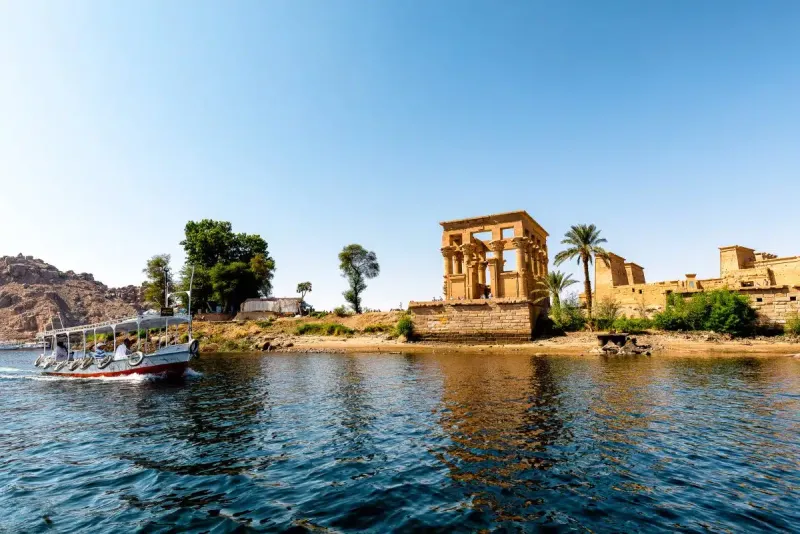
High Dam and Philae Temple Excursion
An elite day journey to the high dam and Philae temple stands as the definitive exploration of human ingenuity across the centuries in southern Egypt.
Private
$ 95
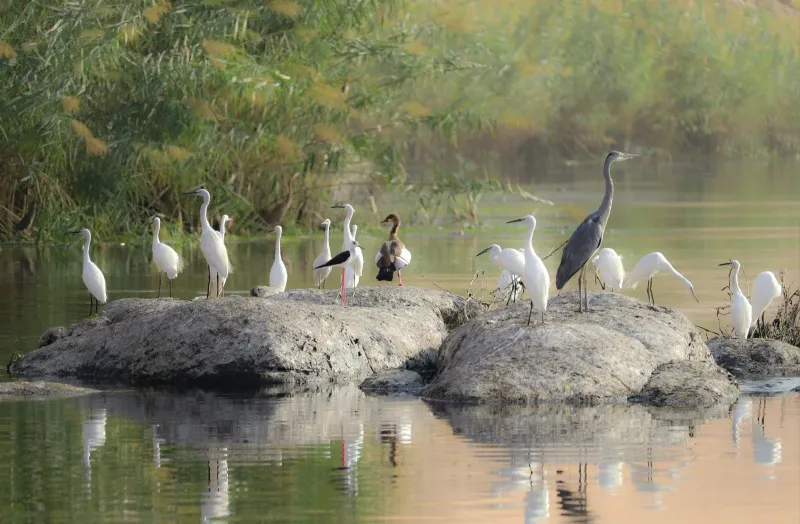
Bird Watching Tour Along the Nile in Aswan
An elite bird watching tour in Aswan offers an unparalleled opportunity to explore the rich avian diversity of the Nile River Valley. This private ecotourism excursion takes you through lush island ecosystems, protected nature reserves, and the surrounding desert margins.
Private
Private
$ 80
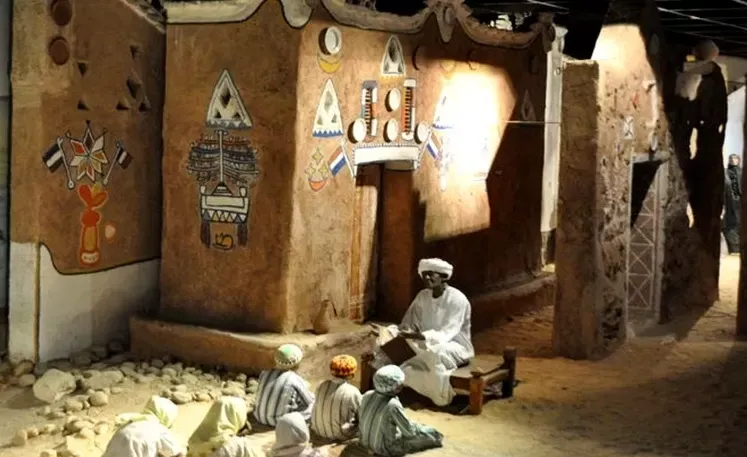
Nubian Museum Excursion
An exclusive private excursion to the Nubian museum offers an unparalleled opportunity to discover the rich cultural heritage and historical legacy of Nubia. This private tour provides an evidence-backed exploration of ancient treasures.
Private
$ 80
Private
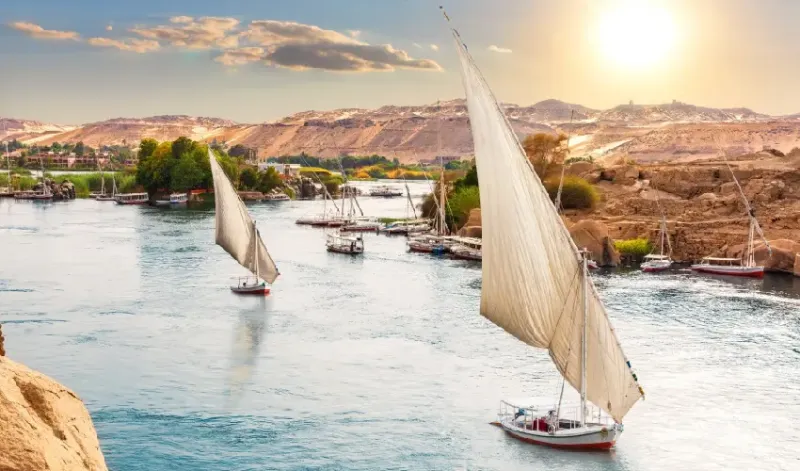
Felucca Ride in Aswan
A private felucca ride in Aswan provides travelers with a classic, peaceful sailing excursion along the Nile River. This journey uses a traditional wooden sailboat to navigate the granite channels of the First Cataract.
Private
Private
$ 70
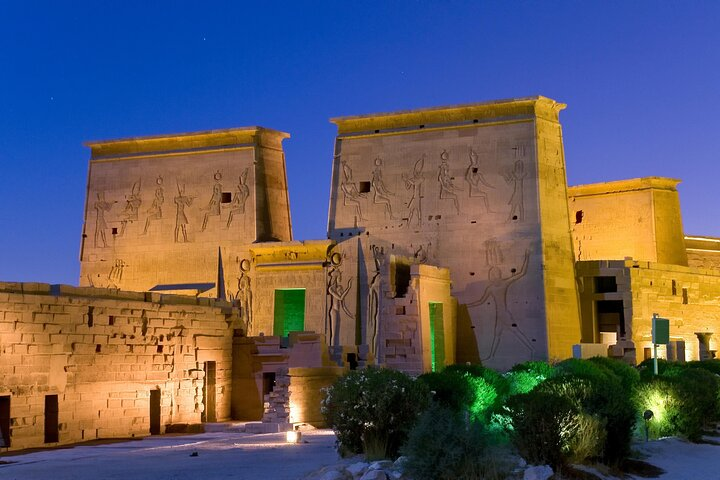
Philae Temple Sound and Light Show Excursion
Attending the official Philae temple sound and light show is the most captivating evening experience available for travelers in southern Egypt. This private night excursion utilizes multimedia narration, dramatic laser projections, and symphonic music.
Private
$ 70
Private
$ 165
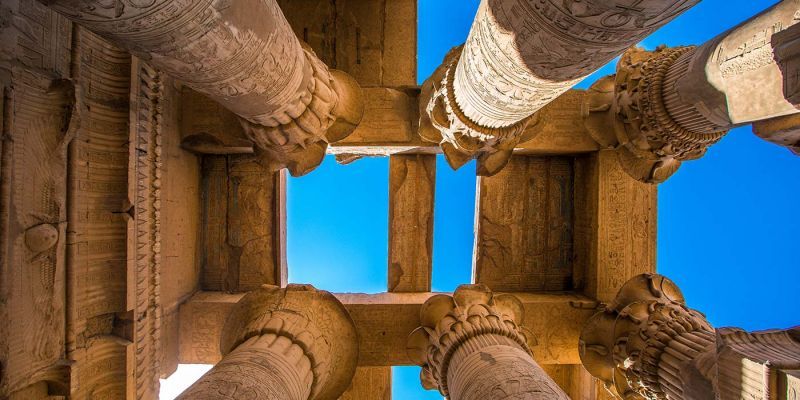
Aswan to Kom Ombo and Edfu Temple Day Tour
An overland private day trip tracking Aswan to Kom Ombo and forward Aswan to Edfu serves as the definitive exploration of the architectural masterpieces of the Ptolemaic Kingdom.
Private
$ 165
Private
$ 299
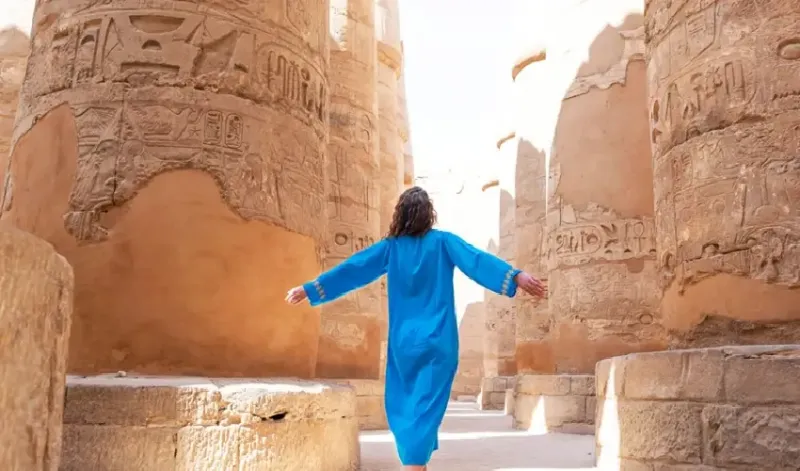
Tour Aswan to Luxor Day Trip
An overland private day trip tracking a tour Aswan to Luxor provides a journey through the heart of the Theban Kingdom. This excursion enables travelers to journey directly from southern Egypt northward to experience the world's greatest open-air museum.
Private
$ 299
Private
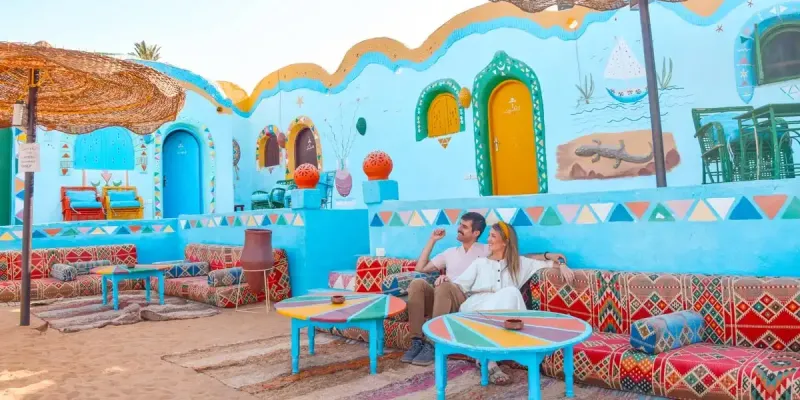
Nubian Village Excursion
An elite private journey to a traditional Nubian village offers an immersive cultural escape into the vibrant heritage of Egypt’s deep south. This custom Nubian village tour trades the ancient stone monuments of Pharaohs for the living, breathing traditions of the Nubian people.
Private
Private
$ 199
Aswan to Abu Simbel Day Tour
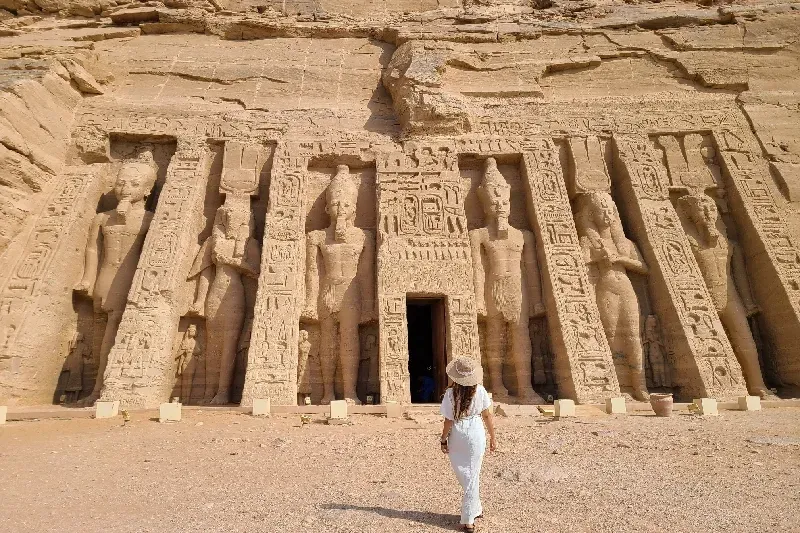
A private day trip tracking the route from Aswan to Abu Simbel provides travelers with a profound journey to the southern frontier of ancient Egypt's imperial power. This excursion moves deep into the Nubian desert to reveal two of the most breathtaking monuments in history.
Private
$ 199
special features
why choose Egypt Tours Way
Local Expertise, Global Standards
Tailor-Made Experiences
Real People, Real Care
Handpicked Guides & Comfortable Travel
Great Value for Money
Best Deals and Opportunities
our testimonials
Moments That Mattered – From Our Adventurers
Lindsey Hunt
Trip to Luxor and Aswan

Adam Hank
Pyramids
Peter Shaun
Siwa

Fleur Hartley
Sharm el-Sheikh

Luna & Liam Ming
Adventure
Sofia Rodrigez
Solo trip

Joseph Jordan
Highly recommend
The Greens, The Kovács, The Chens
Egypt
Mo Elakad
El Fayoum

Sarah Cameron
Saint Catherine and El Minya
Kevin Pierce
Egypt

FAQs