

Aswan High Dam: Egypt’s Engineering Landmark on the Nile
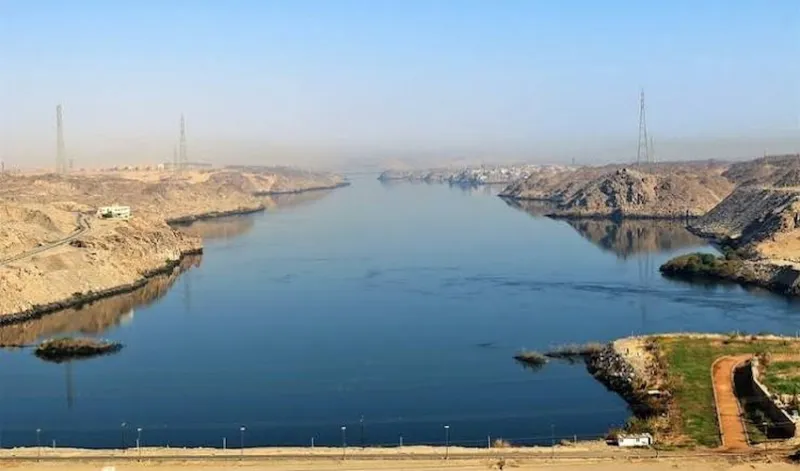
The Aswan High Dam is one of the most remarkable modern landmarks in southern Egypt and an important stop for travelers exploring Aswan. Built across the Nile River between 1960 and 1970, the Aswan High Dam transformed the way Egypt managed its water resources, agriculture, electricity production, and flood protection.
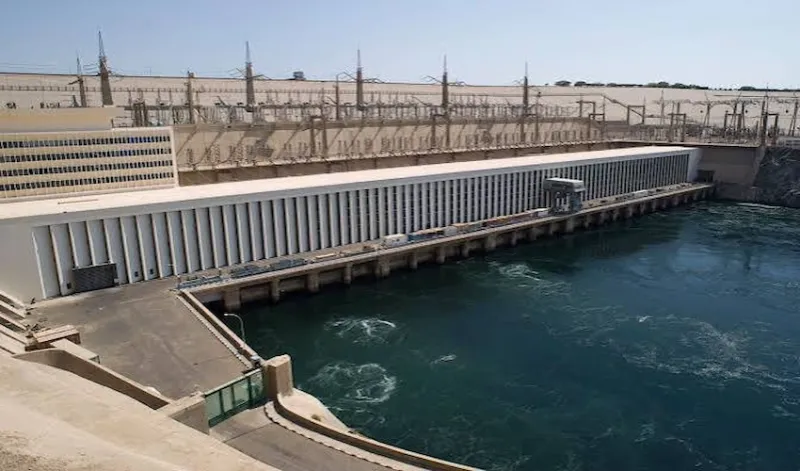
Located around 7 kilometers south of Aswan, the Aswan High Dam is an enormous rock-fill embankment stretching for nearly 4 kilometers across the Nile. Its construction created Lake Nasser, one of the world’s largest artificial reservoirs, extending deep into the desert landscape.
What Is the Aswan High Dam?
For travelers wondering about the Aswan dam definition, it is a massive embankment dam constructed to regulate the Nile’s flow, store water for irrigation, protect communities from destructive floods and droughts, and generate hydroelectric power.
The Aswan High Dam contains tens of millions of cubic meters of earth and stone and incorporates a clay core designed to reduce water seepage. Its hydroelectric station uses the controlled movement of Nile water to drive turbines and generate electricity.
Why Was the Aswan High Dam Built?
Before the Aswan High Dam, Egypt depended heavily on the Nile’s annual flood cycle. While the floods brought valuable water, their timing and intensity could also create serious agricultural challenges. The High Dam gave Egypt much greater control over the river, allowing water to be stored and released when needed.
The project also supported year-round irrigation and helped expand agricultural production. At the same time, hydroelectric power from the Aswan High Dam contributed significantly to Egypt’s industrial and economic development during the twentieth century.
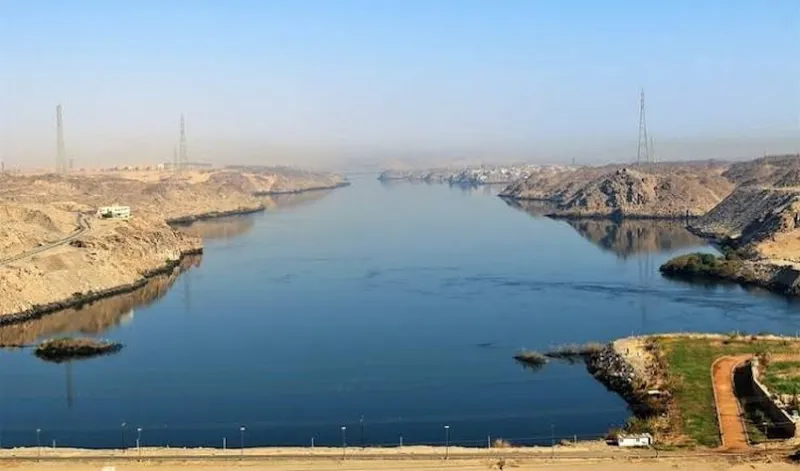
Lake Nasser and the Legacy of the Dam
One of the most visible results of the Aswan High Dam is Lake Nasser, the enormous reservoir formed behind it. The lake became a major strategic water reserve and plays an important role in Egypt’s water management.
However, the story of the Aswan High Dam also includes significant social and environmental consequences. The creation of the reservoir displaced large Nubian communities and flooded parts of ancient Nubia. The rising waters also threatened important archaeological sites, leading to UNESCO’s international campaign to rescue monuments including the temples of Abu Simbel and Philae.
Visit the Aswan High Dam
Seeing the Aswan High Dam in person offers more than an impressive view of a huge engineering project. It provides an opportunity to understand how modern Egypt reshaped its relationship with the Nile and how one ambitious project influenced the country’s economy, landscape, communities, and archaeological heritage.
If you are planning an Egypt vacation from the USA, consider adding Aswan to your itinerary and combining the Aswan High Dam with a Nile cruise, Philae Temple, and a visit to Abu Simbel. Experiencing these sites together provides a deeper understanding of both ancient Nubia and modern Egypt.
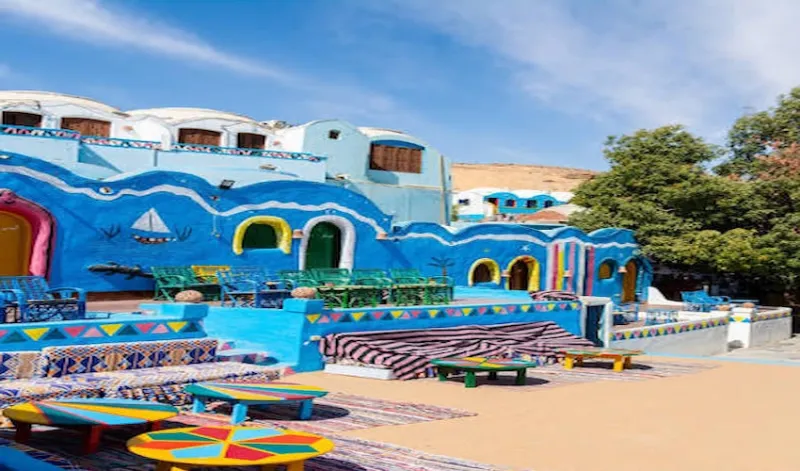
Aswan City: Discover the Magic of Nubian Culture and the Nile
Discover Aswan city, where the Nile’s peaceful beauty, ancient temples, Nubian culture, historic islands, and unforgettable experiences come together in southern Egypt.
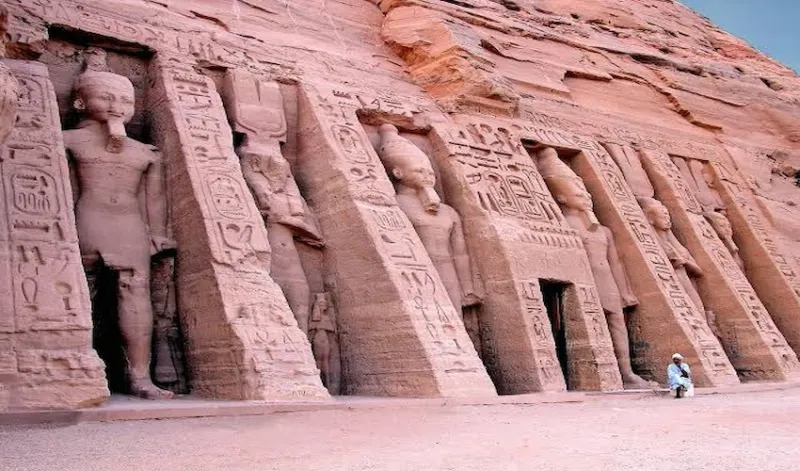
Abu Simbel Temple: Explore the Monumental Legacy of Ramses II
Discover the Abu Simbel Temple, where colossal statues, sacred chambers, ancient reliefs, and remarkable engineering reveal the extraordinary legacy of Ramses II.
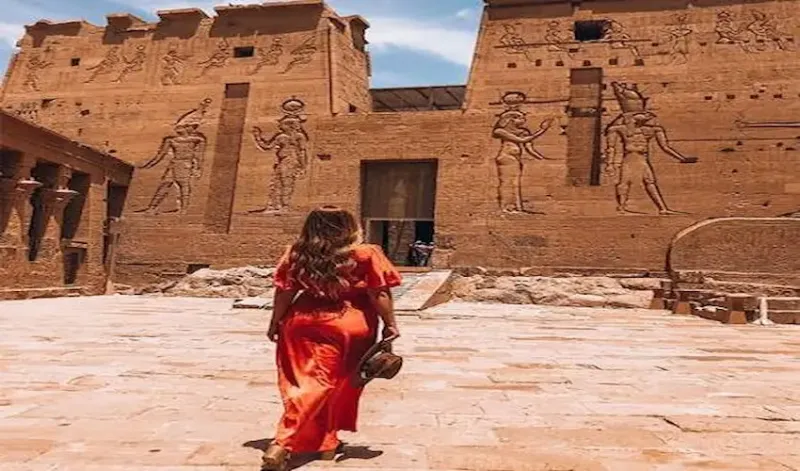
Philae Temple: Discover the Sacred Island Sanctuary of Isis
Discover the Philae Temple in Aswan, an enchanting island sanctuary dedicated to Isis, where ancient Egyptian history, mythology, and Nile scenery meet.
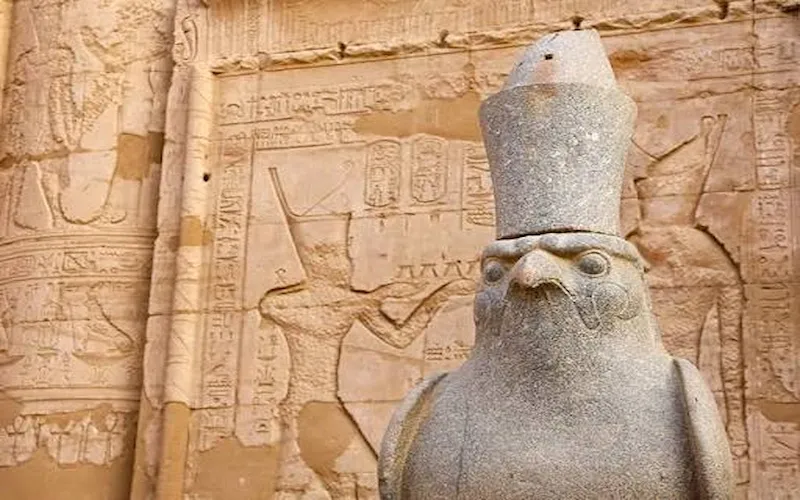
Edfu Temple: Discover a Remarkable Treasure of Ancient Egypt
Explore Edfu Temple, a remarkably preserved sanctuary dedicated to Horus, and discover its monumental architecture, ancient reliefs, and fascinating history.
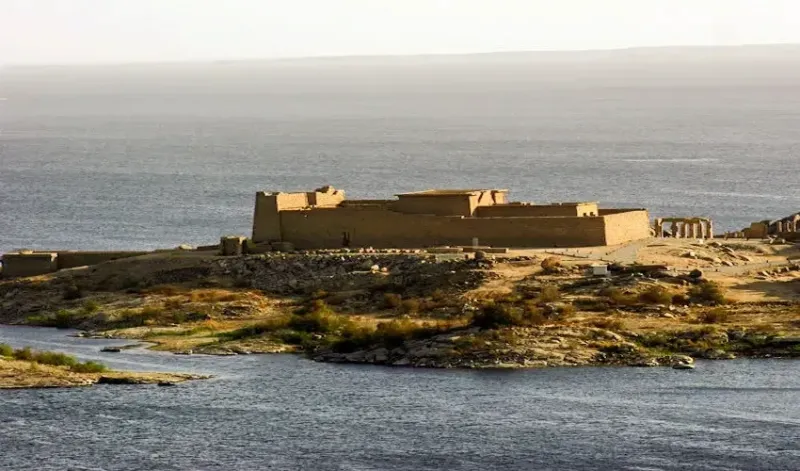
Lake Nasser: Discover Egypt’s Hidden Desert Treasure
Discover Lake Nasser, where ancient temples, Nubian heritage, desert landscapes, and peaceful cruises create an unforgettable side of Egypt.
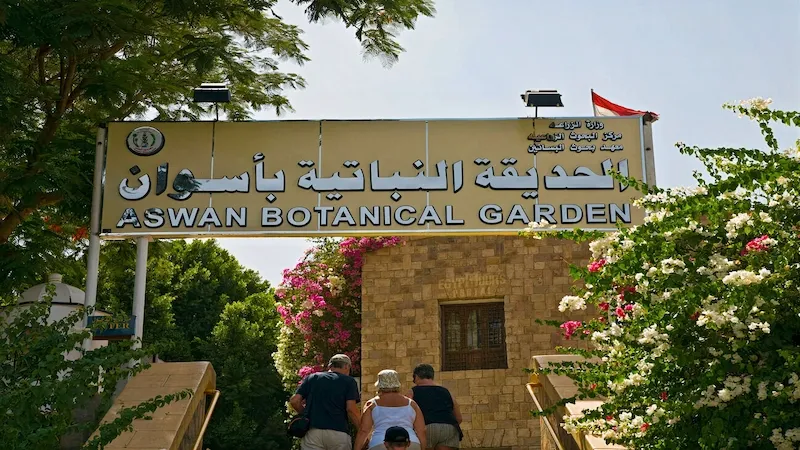
Aswan Botanical Garden: Explore Kitchener Island’s Green Oasis
Discover the Aswan Botanical Garden on Kitchener Island, a peaceful Nile escape filled with exotic plants, beautiful scenery, fascinating history, and relaxing walking paths.
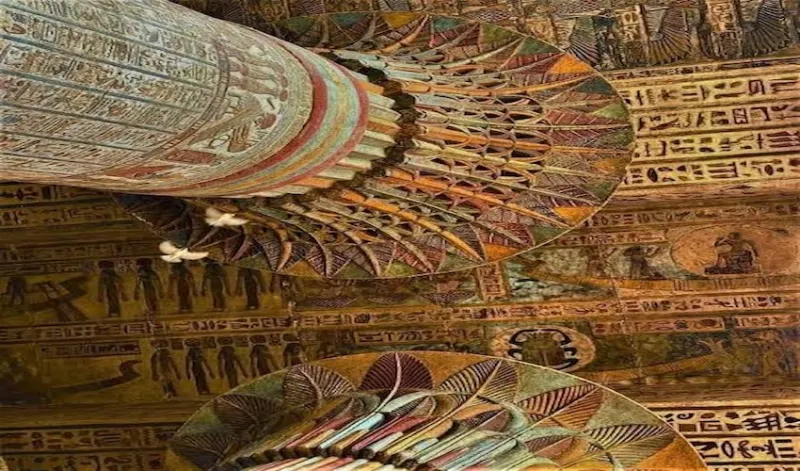
Explore Dendera Temple: A Journey into Ancient Egypt
Discover Dendera Temple near Luxor, home to the magnificent Temple of Hathor, ancient carvings, celestial scenes, sacred chambers, and the famous Dendera Zodiac.
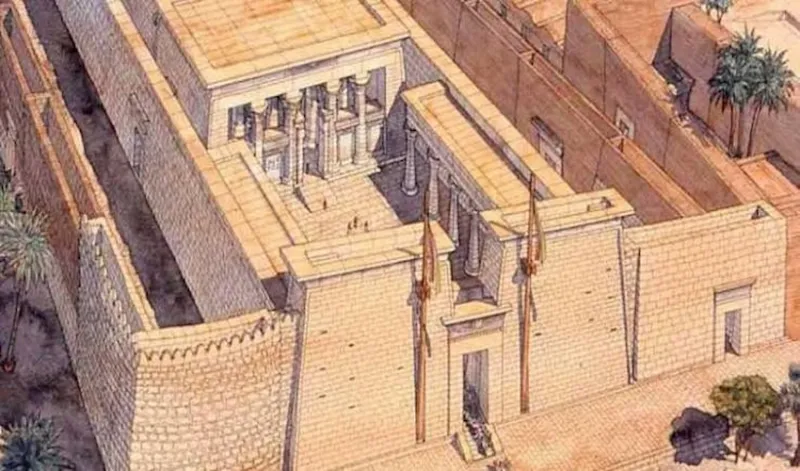
Kalabsha: Discover One of Nubia’s Greatest Ancient Monuments
Discover Kalabsha, a remarkable Nubian temple near Aswan featuring Roman-Egyptian architecture, ancient inscriptions, and a fascinating UNESCO rescue story.
special features
why choose Egypt Tours Way
Local Expertise, Global Standards
Tailor-Made Experiences
Real People, Real Care
Handpicked Guides & Comfortable Travel
Great Value for Money
Best Deals and Opportunities
our testimonials
Moments That Mattered – From Our Adventurers
Lindsey Hunt
Trip to Luxor and Aswan

Adam Hank
Pyramids
Peter Shaun
Siwa

Fleur Hartley
Sharm el-Sheikh

Luna & Liam Ming
Adventure
Sofia Rodrigez
Solo trip

Joseph Jordan
Highly recommend
The Greens, The Kovács, The Chens
Egypt
Mo Elakad
El Fayoum

Sarah Cameron
Saint Catherine and El Minya

Kevin Pierce
Egypt

FAQs