

Explore Dendera Temple: A Journey into Ancient Egypt
A visit to Dendera Temple offers a fascinating opportunity to experience one of Egypt’s best-preserved ancient sanctuaries. Located near Qena, around 60 kilometers north of Luxor, the Dendera Temple complex provides a quieter alternative to some of Egypt’s busier archaeological sites while revealing an extraordinary combination of religion, architecture, astronomy, and ancient healing traditions.
Discover the Temple of Hathor at Dendera
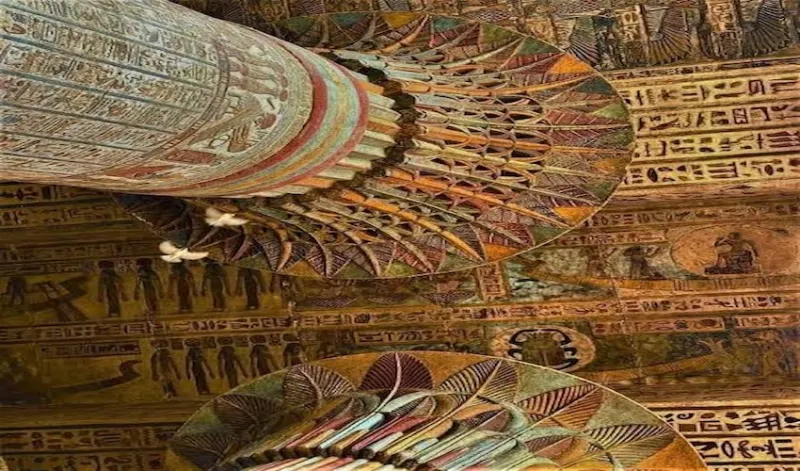
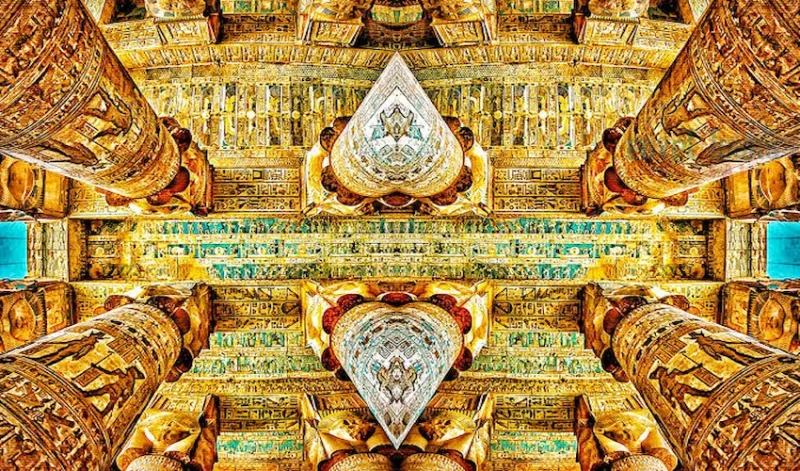
The centerpiece of the complex is the magnificent Temple of Hathor, dedicated to the ancient Egyptian goddess associated with love, music, motherhood, joy, fertility, and healing. The remarkable preservation of the Dendera Temple is one of its greatest attractions. Vivid colors, detailed inscriptions, and beautifully carved reliefs remain visible across its walls and ceilings, giving travelers a rare impression of how an ancient Egyptian temple once appeared.
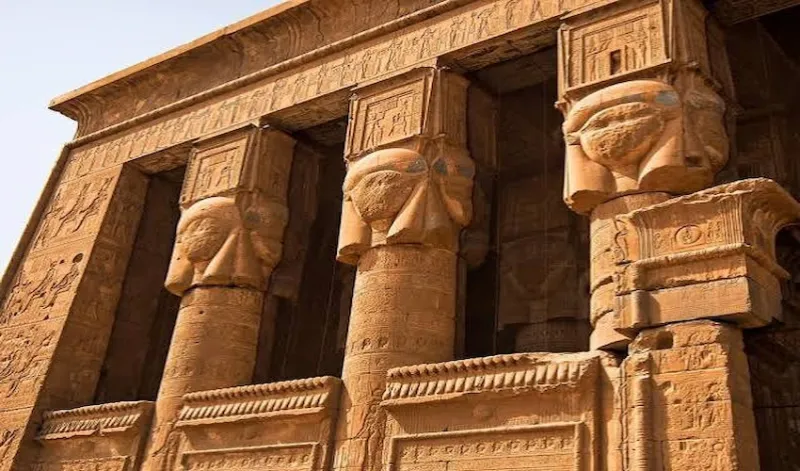
Inside, the Great Hypostyle Hall immediately captures attention with its enormous columns decorated with Hathor’s distinctive face. Look upward to discover elaborate celestial scenes and traces of the original colors that once transformed the temple into a spectacular sacred space.
The Dendera Zodiac and Ancient Astronomy
For travelers fascinated by ancient science, the Dendera Zodiac is one of the complex’s most intriguing features. The famous astronomical relief reflects the sophisticated understanding of the sky held by ancient Egyptian priests and combines Egyptian and Greco-Roman celestial traditions. Although the original zodiac is now displayed at the Louvre in Paris, the temple remains an essential place to understand its historical context.
Hidden Chambers, Crypts, and Sacred Stories
Beyond the main halls, the Dendera Temple reveals a network of crypts, stairways, rooftop chapels, and religious chambers. The temple’s crypt reliefs have inspired numerous modern interpretations, while Egyptologists understand the famous “Dendera Light” scenes within the context of ancient Egyptian religious symbolism and creation mythology.
The complex also includes the Mammisi, or birth house, where rituals connected with divine birth were celebrated. Together, these spaces demonstrate how the sanctuary served purposes far beyond worship.
Why Visit Dendera Temple?
What makes Dendera Temple especially rewarding is the combination of exceptional preservation and a peaceful atmosphere. A visit usually takes around 1.5 to 2.5 hours, making it an excellent half-day excursion from Luxor. Arriving early is particularly worthwhile, when the light enhances the carvings and the site is generally quieter.
Whether you are interested in ancient Egyptian history, photography, architecture, mythology, or astronomy, Dendera Temple offers a memorable experience away from the usual tourist route. Add this extraordinary sanctuary to your Egypt itinerary and discover a different side of the Nile Valley.
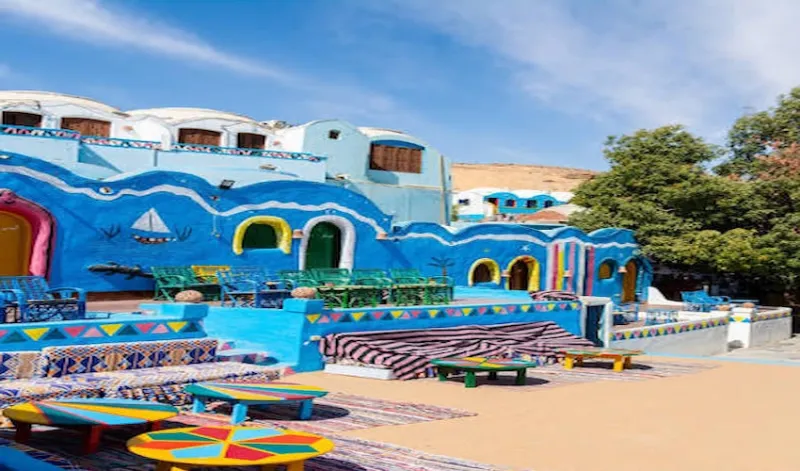
Aswan City: Discover the Magic of Nubian Culture and the Nile
Discover Aswan city, where the Nile’s peaceful beauty, ancient temples, Nubian culture, historic islands, and unforgettable experiences come together in southern Egypt.
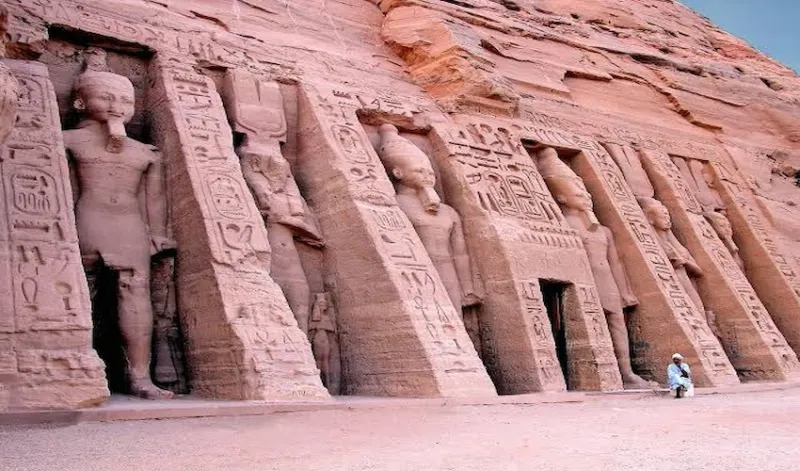
Abu Simbel Temple: Explore the Monumental Legacy of Ramses II
Discover the Abu Simbel Temple, where colossal statues, sacred chambers, ancient reliefs, and remarkable engineering reveal the extraordinary legacy of Ramses II.
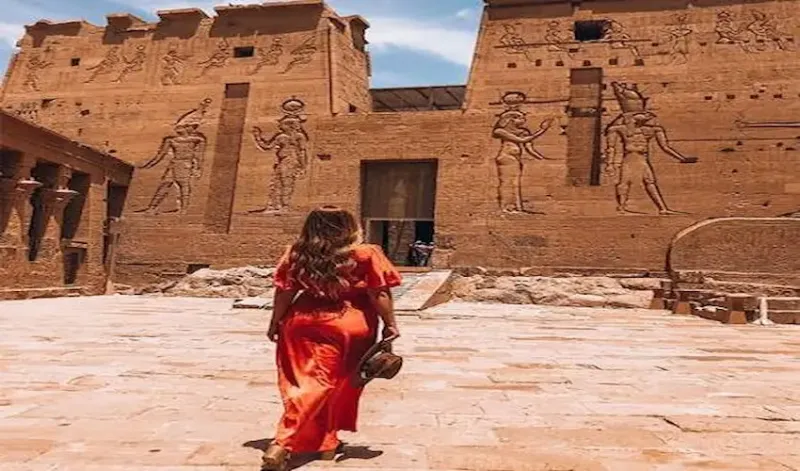
Philae Temple: Discover the Sacred Island Sanctuary of Isis
Discover the Philae Temple in Aswan, an enchanting island sanctuary dedicated to Isis, where ancient Egyptian history, mythology, and Nile scenery meet.
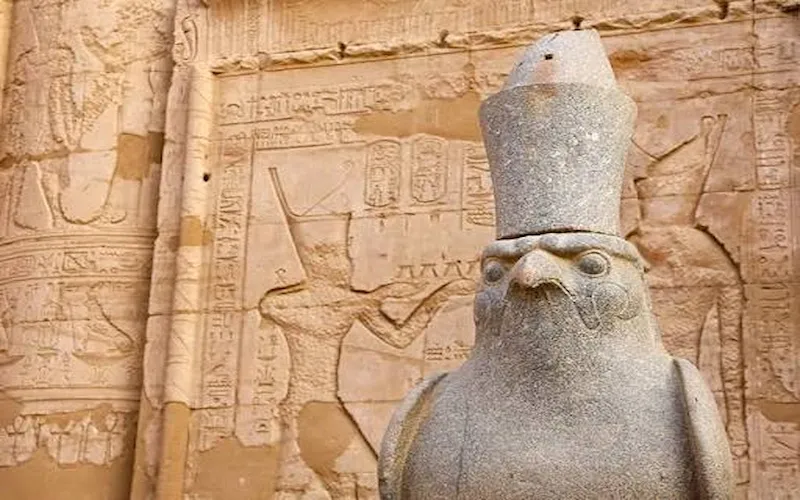
Edfu Temple: Discover a Remarkable Treasure of Ancient Egypt
Explore Edfu Temple, a remarkably preserved sanctuary dedicated to Horus, and discover its monumental architecture, ancient reliefs, and fascinating history.
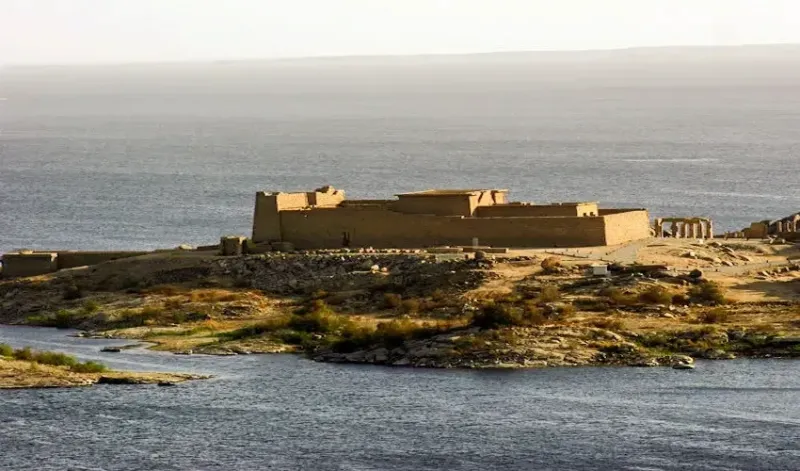
Lake Nasser: Discover Egypt’s Hidden Desert Treasure
Discover Lake Nasser, where ancient temples, Nubian heritage, desert landscapes, and peaceful cruises create an unforgettable side of Egypt.

Aswan High Dam: Egypt’s Engineering Landmark on the Nile
Discover the Aswan High Dam, a remarkable engineering landmark on the Nile and one of Aswan’s most important attractions. Learn about its history, Lake Nasser, and its lasting impact on Egypt.
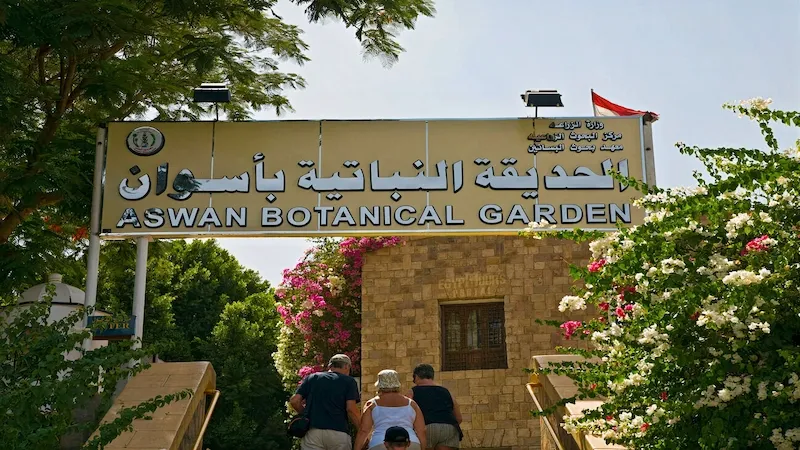
Aswan Botanical Garden: Explore Kitchener Island’s Green Oasis
Discover the Aswan Botanical Garden on Kitchener Island, a peaceful Nile escape filled with exotic plants, beautiful scenery, fascinating history, and relaxing walking paths.
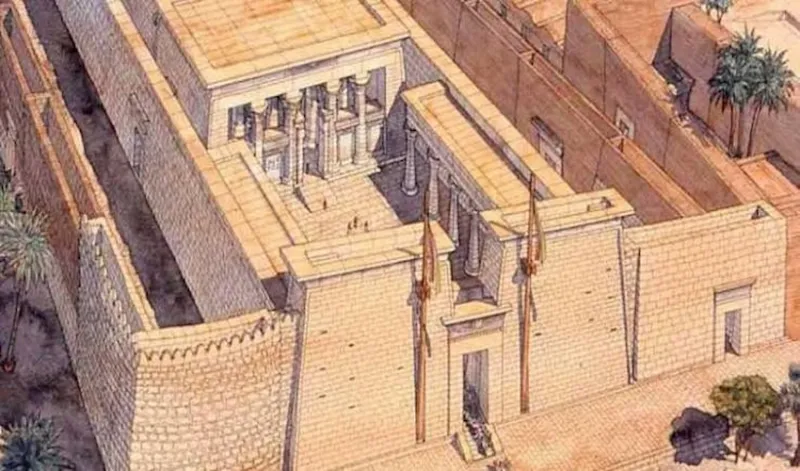
Kalabsha: Discover One of Nubia’s Greatest Ancient Monuments
Discover Kalabsha, a remarkable Nubian temple near Aswan featuring Roman-Egyptian architecture, ancient inscriptions, and a fascinating UNESCO rescue story.
special features
why choose Egypt Tours Way
Local Expertise, Global Standards
Tailor-Made Experiences
Real People, Real Care
Handpicked Guides & Comfortable Travel
Great Value for Money
Best Deals and Opportunities
our testimonials
Moments That Mattered – From Our Adventurers
Lindsey Hunt
Trip to Luxor and Aswan

Adam Hank
Pyramids
Peter Shaun
Siwa

Fleur Hartley
Sharm el-Sheikh

Luna & Liam Ming
Adventure
Sofia Rodrigez
Solo trip

Joseph Jordan
Highly recommend
The Greens, The Kovács, The Chens
Egypt
Mo Elakad
El Fayoum

Sarah Cameron
Saint Catherine and El Minya
Kevin Pierce
Egypt

FAQs