

Kalabsha: Discover One of Nubia’s Greatest Ancient Monuments
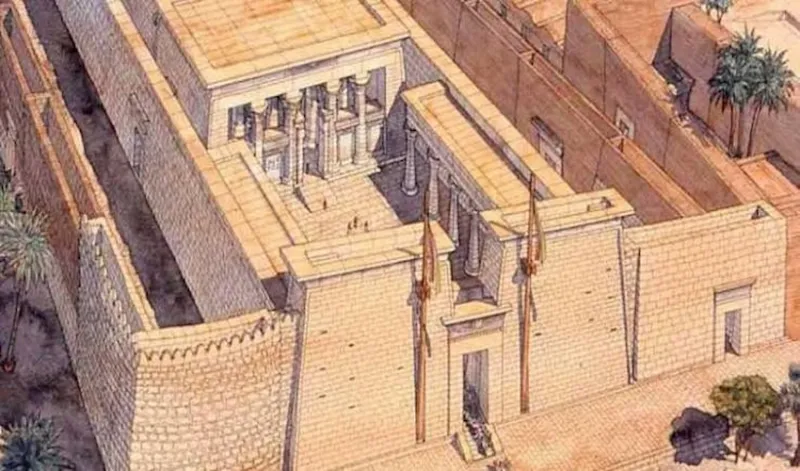
A journey to Kalabsha takes you beyond the better-known temples of Upper Egypt and into the fascinating history of ancient Nubia. Located on New Kalabsha Island near Aswan, this remarkable sandstone monument combines Egyptian religious traditions, Roman architecture, and Nubian culture in one extraordinary archaeological site.
Step Into the History of Kalabsha
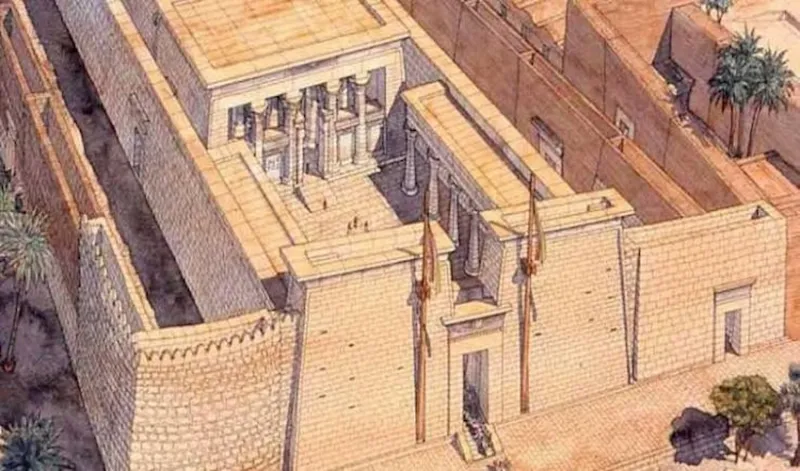
Construction of Kalabsha began around 30 BCE during the reign of Emperor Augustus at ancient Talmis, south of Aswan. The temple was primarily dedicated to Mandulis, the Nubian sun god associated with fertility and rebirth, while Isis and Osiris were also worshipped within the complex.
Although Augustus initiated the project, later rulers contributed to its development. The result is a fascinating architectural blend where traditional Egyptian temple design meets Roman-era details. Massive sandstone walls, a monumental pylon, elegant columns, and finely carved reliefs create an impressive setting for exploring the religious and political history of southern Egypt.
Admire the Temple’s Ancient Art and Inscriptions
Inside Kalabsha, visitors can examine detailed scenes of Roman emperors presenting offerings to Egyptian deities in traditional pharaonic style. The walls also preserve inscriptions written in hieroglyphic, Greek, and Meroitic scripts, providing valuable evidence of the cultural diversity that shaped ancient Nubia.
Look closely at the reliefs and you will discover representations of Mandulis, Isis, Osiris, Horus, and other deities. Later Christian symbols and Coptic crosses add another fascinating layer to the monument, showing how the site changed as religious traditions evolved.
The Incredible Rescue of Kalabsha
One of the most remarkable chapters in the story of Kalabsha happened in modern times. When the Aswan High Dam was constructed, rising waters from Lake Nasser threatened to submerge the ancient temple.
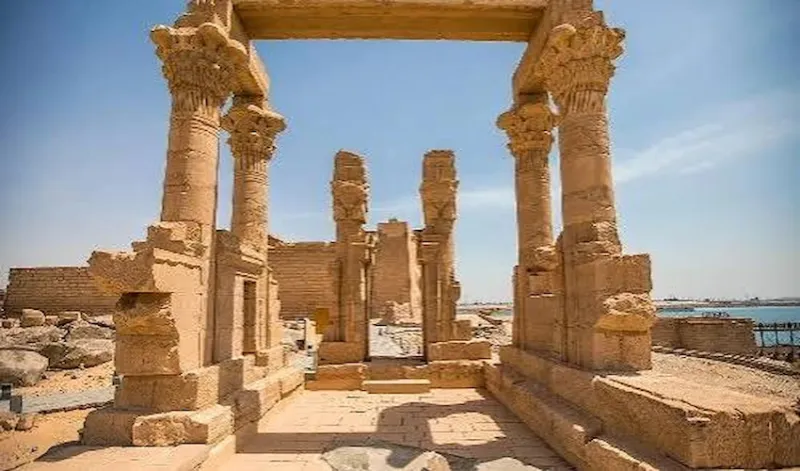
As part of the international UNESCO campaign to save Nubia’s monuments, the entire structure was carefully dismantled into approximately 13,000 numbered sandstone blocks. After more than two years of work, the pieces were transported and reconstructed at their present location on New Kalabsha Island.
Today, Kalabsha stands as both an ancient monument and a powerful reminder of international cooperation in protecting cultural heritage. It was included in the UNESCO World Heritage listing of the Nubian Monuments from Abu Simbel to Philae in 1979.
Why Visit Kalabsha Temple Aswan?
A visit to Kalabsha Temple Aswan is ideal for travelers who want to experience a less crowded archaeological attraction while discovering the cultural connections between Egypt, Nubia, and Rome. The surrounding Lake Nasser landscape adds to the experience, while nearby monuments such as the Kiosk of Qertassi and Beit el-Wali make the area even more rewarding to explore.
If you are planning an Aswan itinerary, make time for Kalabsha and discover a monument where ancient beliefs, artistic traditions, and one of Egypt’s greatest archaeological rescue stories come together.
Aswan City: Discover the Magic of Nubian Culture and the Nile
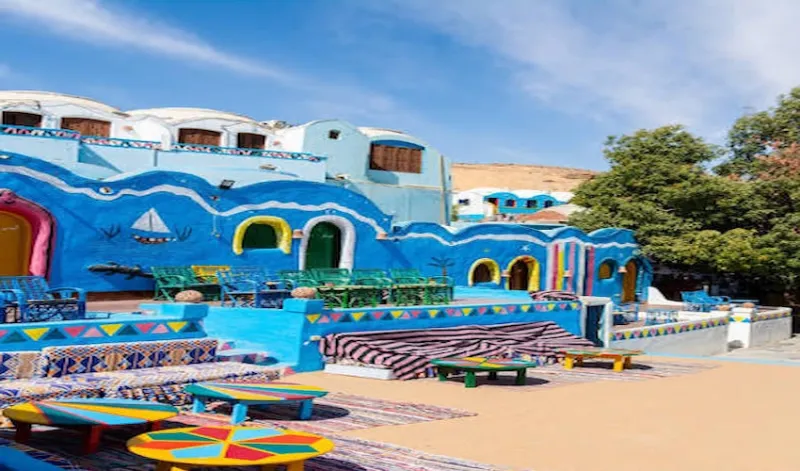
Discover Aswan city, where the Nile’s peaceful beauty, ancient temples, Nubian culture, historic islands, and unforgettable experiences come together in southern Egypt.
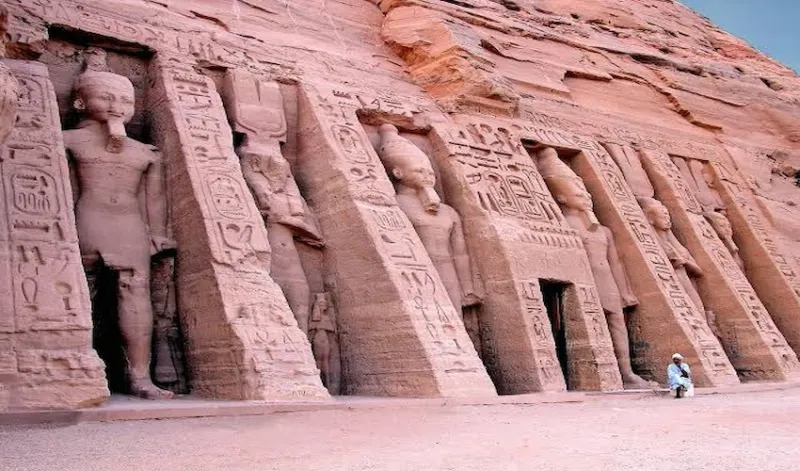
Abu Simbel Temple: Explore the Monumental Legacy of Ramses II
Discover the Abu Simbel Temple, where colossal statues, sacred chambers, ancient reliefs, and remarkable engineering reveal the extraordinary legacy of Ramses II.
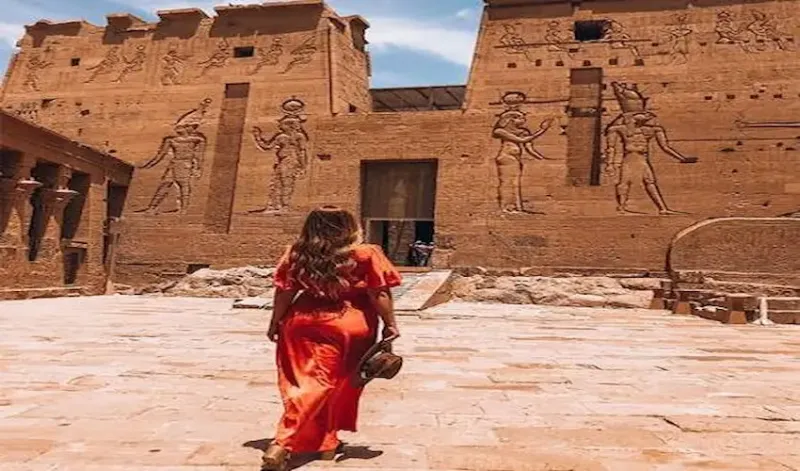
Philae Temple: Discover the Sacred Island Sanctuary of Isis
Discover the Philae Temple in Aswan, an enchanting island sanctuary dedicated to Isis, where ancient Egyptian history, mythology, and Nile scenery meet.
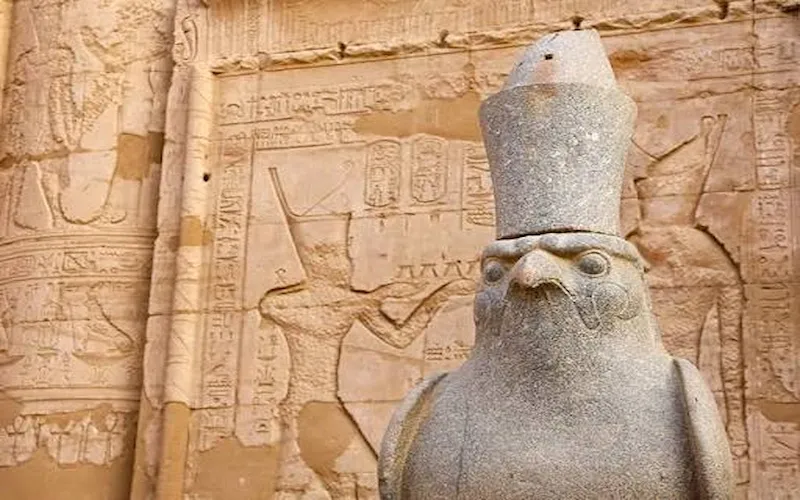
Edfu Temple: Discover a Remarkable Treasure of Ancient Egypt
Explore Edfu Temple, a remarkably preserved sanctuary dedicated to Horus, and discover its monumental architecture, ancient reliefs, and fascinating history.
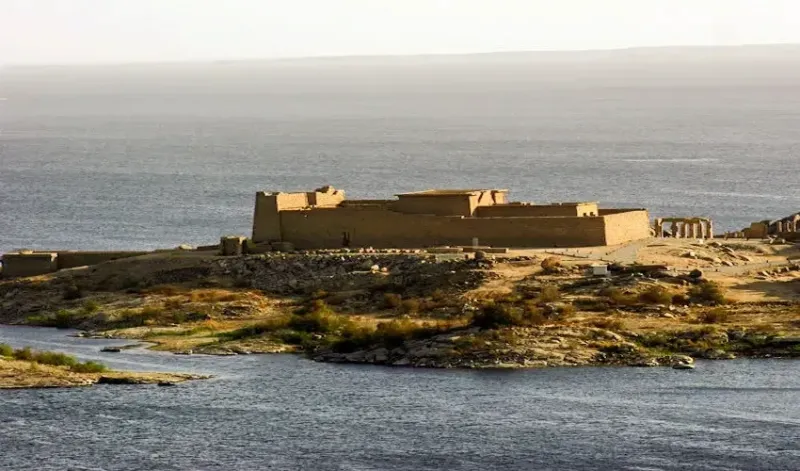
Lake Nasser: Discover Egypt’s Hidden Desert Treasure
Discover Lake Nasser, where ancient temples, Nubian heritage, desert landscapes, and peaceful cruises create an unforgettable side of Egypt.
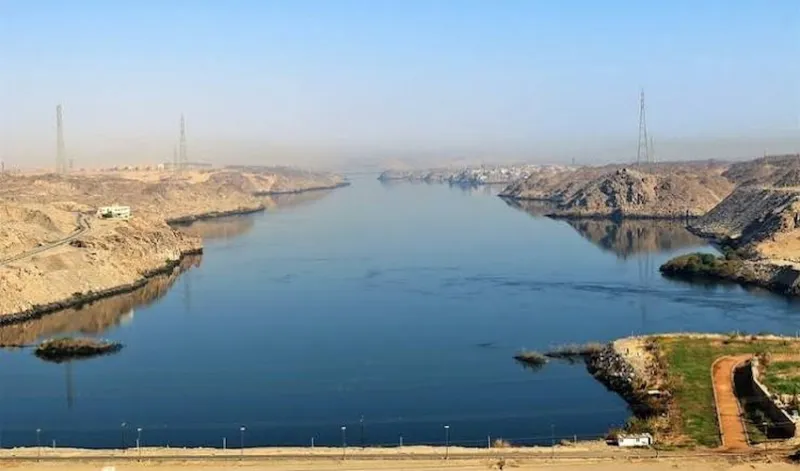
Aswan High Dam: Egypt’s Engineering Landmark on the Nile
Discover the Aswan High Dam, a remarkable engineering landmark on the Nile and one of Aswan’s most important attractions. Learn about its history, Lake Nasser, and its lasting impact on Egypt.
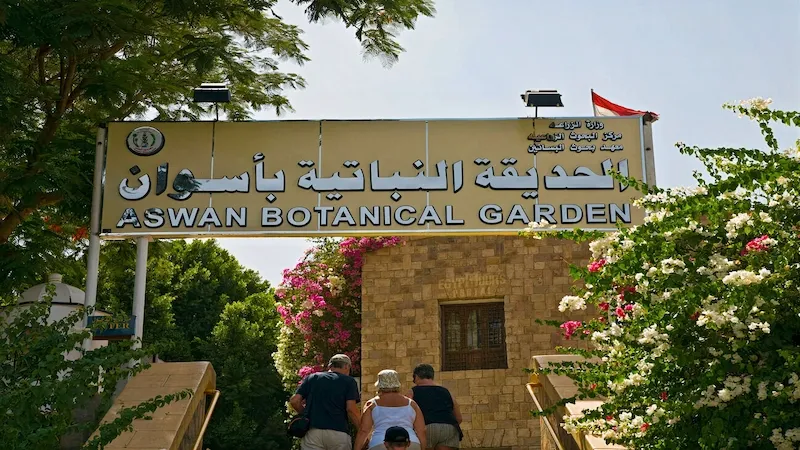
Aswan Botanical Garden: Explore Kitchener Island’s Green Oasis
Discover the Aswan Botanical Garden on Kitchener Island, a peaceful Nile escape filled with exotic plants, beautiful scenery, fascinating history, and relaxing walking paths.
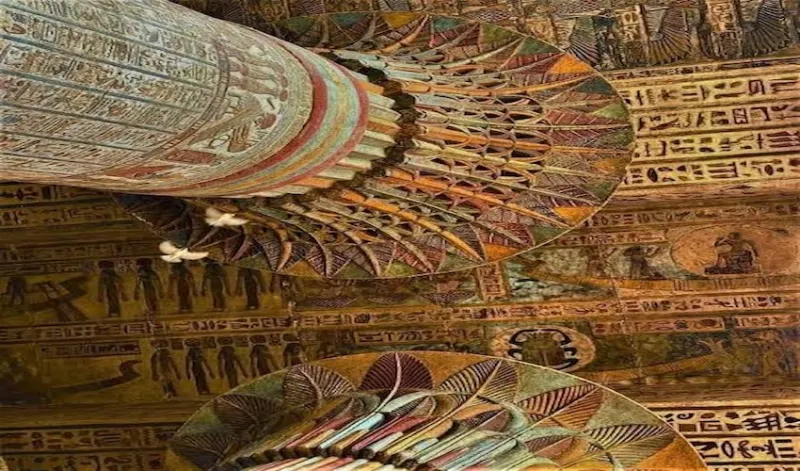
Explore Dendera Temple: A Journey into Ancient Egypt
Discover Dendera Temple near Luxor, home to the magnificent Temple of Hathor, ancient carvings, celestial scenes, sacred chambers, and the famous Dendera Zodiac.
special features
why choose Egypt Tours Way
Local Expertise, Global Standards
Tailor-Made Experiences
Real People, Real Care
Handpicked Guides & Comfortable Travel
Great Value for Money
Best Deals and Opportunities
our testimonials
Moments That Mattered – From Our Adventurers
Lindsey Hunt
Trip to Luxor and Aswan

Adam Hank
Pyramids
Peter Shaun
Siwa

Fleur Hartley
Sharm el-Sheikh

Luna & Liam Ming
Adventure
Sofia Rodrigez
Solo trip

Joseph Jordan
Highly recommend
The Greens, The Kovács, The Chens
Egypt
Mo Elakad
El Fayoum

Sarah Cameron
Saint Catherine and El Minya
Kevin Pierce
Egypt

FAQs